
Pet Diagnostic Imaging: What to Expect From Mobile CT Scans

Pet Diagnostic Imaging: What to Expect From Mobile CT Scans
If you have ever been told that your dog or cat needs advanced imaging, you may wonder what the process involves and whether it is truly necessary. At Mobile Pet Imaging, we understand that pet owners in Miami, FL and the surrounding communities want the very best for their animals—without added stress or inconvenience. That is where mobile CT imaging comes in. Our team brings state-of-the-art pet diagnostic imaging directly to your door, providing in-home care that is both advanced and comfortable for your pet. In this guide, we will explain how mobile CT scans work, what they can detect, the benefits of having imaging performed in the comfort of your home, and what you can expect every step of the way. Whether your veterinarian has recommended a CT scan or you are simply curious about your options, read on for everything you need to know about pet diagnostic imaging in Miami.
When Might Your Pet Need Diagnostic Imaging?
Many pet owners first hear about CT scans or other advanced imaging when their veterinarian is searching for answers that regular X-rays or bloodwork cannot provide. There are a variety of situations in which your dog or cat might benefit from pet diagnostic imaging. Common concerns include unexplained limping, persistent coughing, difficulty breathing, ongoing nasal discharge, or neurological symptoms such as seizures or sudden changes in behavior. Additionally, if your pet has a mass or swelling, dental disease that seems more severe than usual, or unexplained weight loss, your veterinarian may recommend a CT scan to get a clearer picture of what is happening inside your pet’s body.
In some cases, imaging is used as part of a pre-surgical evaluation, particularly for dental procedures or to assess the extent of cancer before planning treatment. The goal is always to gather the most detailed information possible so your veterinary team can make informed decisions about your pet’s health. If you are unsure whether your pet’s symptoms warrant advanced imaging, speaking with your primary veterinarian is the best first step. For more information on the imaging options available, you can review our overview of advanced veterinary imaging services.
Understanding the Need for Advanced Pet Diagnostic Imaging
While traditional X-rays are helpful for many conditions, there are times when a standard image simply does not reveal enough detail. CT (computed tomography) scans provide a much more comprehensive view of your pet’s internal structures. This technology allows veterinarians to evaluate bone, soft tissue, and organs with incredible clarity. CT scans are especially valuable for diagnosing complex dental disease, identifying tumors, assessing trauma, and evaluating conditions affecting the brain, spine, or chest.
Some conditions develop slowly or may not show up on physical examination or routine lab work. For example, a small nasal tumor may not be visible on regular X-rays, but a CT scan can pinpoint its location and size. Similarly, dental abscesses that are hidden beneath the gumline can be clearly visualized using advanced imaging. By catching these issues early and accurately, your pet’s treatment plan can be more targeted and effective.
Veterinarians often turn to CT when they need a complete, three-dimensional understanding of what is going on inside your pet. This is especially important for surgical planning or for monitoring chronic disease progression. If you are interested in learning more about the technical differences between CT and other types of imaging, our visual guide explaining CT scans for pet owners offers helpful illustrations.
How Mobile CT Scans Work: Bringing Expertise to Your Door
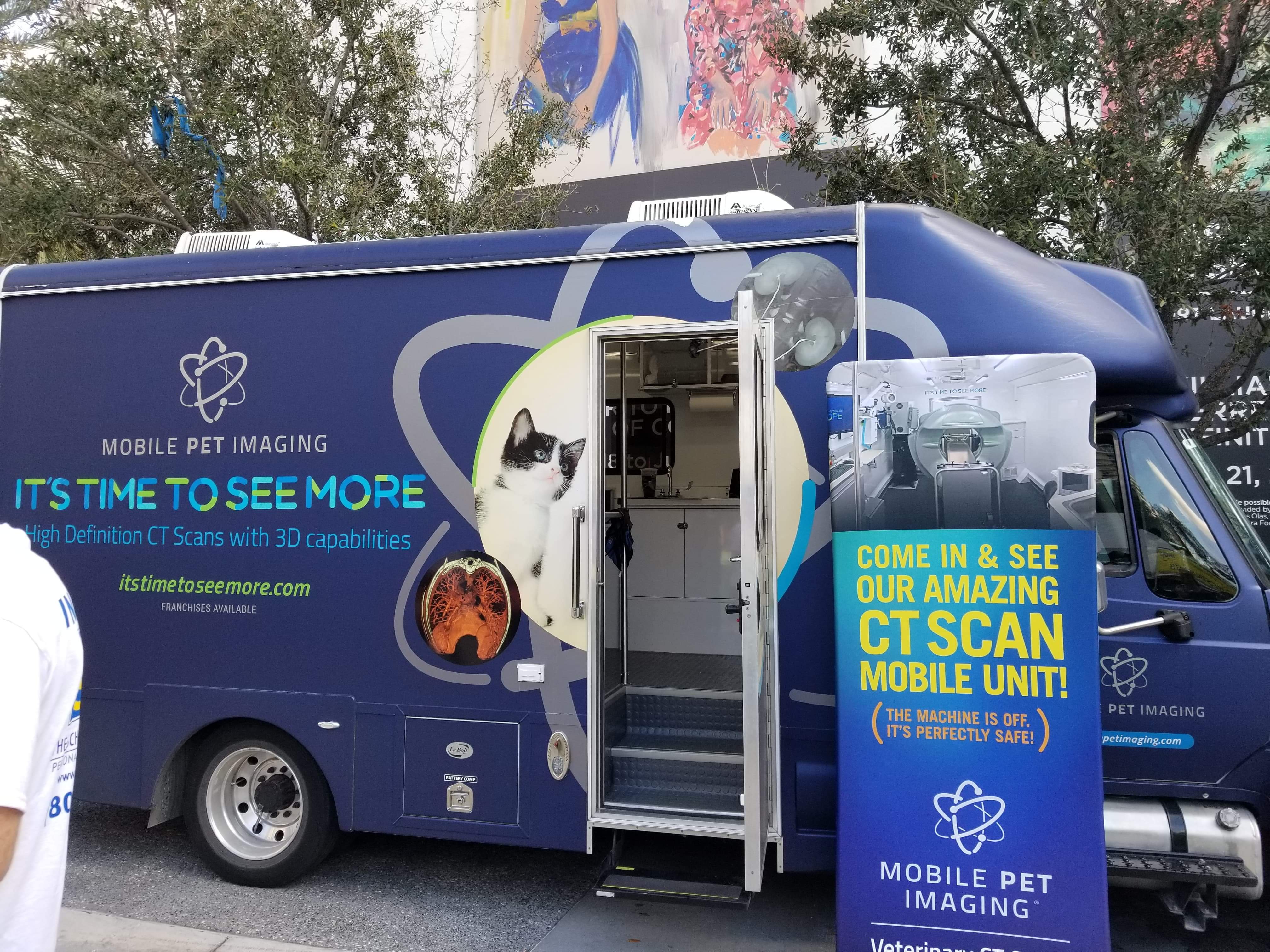
One of the biggest advantages of mobile pet diagnostic imaging is the ability to have advanced scans performed right where your pet feels most secure. Our veterinary professionals arrive at your home with a fully equipped mobile unit capable of performing high-resolution CT scans, fluoroscopy, and other imaging procedures for dogs and cats. This approach means less travel, reduced anxiety for your pet, and a more seamless experience for you as their caregiver.
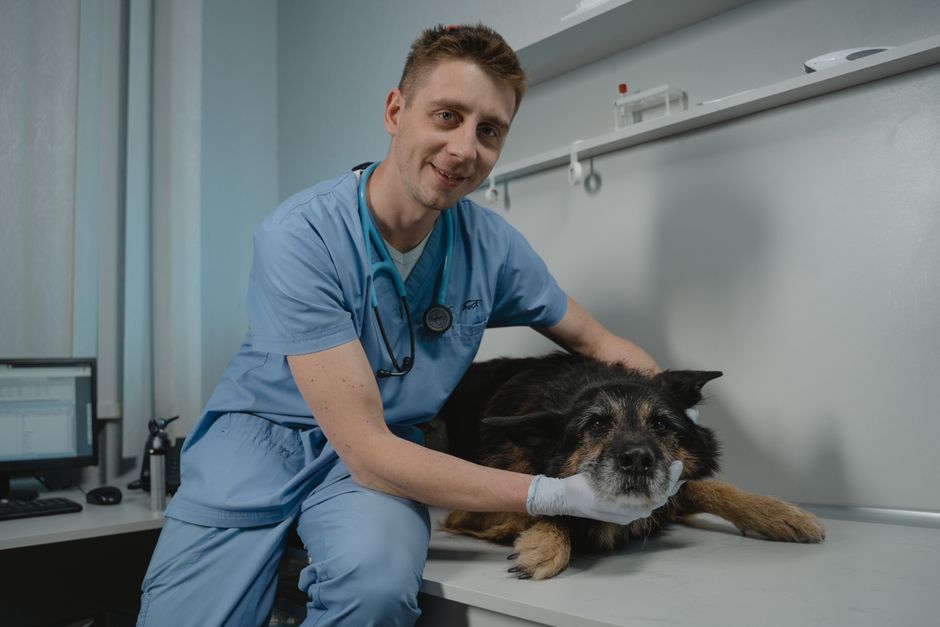
The process typically starts with a referral or consultation from your primary veterinarian. After discussing your pet’s history and the reason for imaging, our team will schedule a home visit at a time that works for you. On the day of your appointment, your pet will be gently prepared for the procedure. Most CT scans require your pet to be under light anesthesia or sedation to ensure they remain still and comfortable throughout the scan. Our board-certified specialists and radiologists oversee every step, prioritizing safety and gentle handling.
The scan itself is painless and usually completed within a short timeframe. The images are immediately processed and reviewed by our veterinary radiology team, who work in collaboration with your referring veterinarian to interpret the results and develop a care plan. For more information on what a CT scan involves, visit our information about CT scans for pets.
What Sets Mobile Imaging Apart?
The convenience of in-home care makes a tremendous difference for many pets and their owners. Dogs and cats who become anxious at the veterinary clinic are often much more relaxed at home, leading to smoother anesthesia and a faster recovery. You avoid the hassle of transporting a sick or nervous animal across town and can stay with your pet during preparation and recovery. Additionally, our mobile CT service covers Miami and surrounding communities, so you do not have to worry about finding a specialty hospital or traveling long distances for advanced diagnostics.
The Benefits of In-Home Advanced Imaging for Miami Pet Owners
Choosing mobile pet diagnostic imaging provides several advantages beyond convenience. First, the technology used in mobile CT units is on par with what you would find in referral hospitals, so you are not sacrificing quality for comfort. High-resolution images allow for precise diagnosis, which can lead to more effective treatment and better outcomes for your dog or cat.
Another significant benefit is the reduction in stress for both pets and owners. When your pet remains in a familiar environment, there is less risk of fear-based reactions, which can sometimes complicate procedures in a traditional clinic setting. This is especially important for older pets, those with mobility challenges, or animals who have experienced previous trauma at a veterinary facility.
Our team of veterinarians understands how important it is to communicate clearly and compassionately with pet owners throughout the process. From the initial consultation to the delivery of results, you are kept informed and your pet’s comfort is always our top priority. If you are comparing options for imaging, you might find our comparison of CT and ultrasound for evaluating elevated liver enzymes in pets to be a helpful resource.
What to Expect During Your Pet’s Mobile CT Scan
When you schedule a mobile CT scan, the process is designed to be straightforward and reassuring. Our veterinary professionals arrive at your home with all necessary equipment and explain each step before beginning. Your pet will be given a health check to determine if anesthesia is safe, and you will have the opportunity to ask questions about the procedure. Sedation or light anesthesia is usually administered to ensure your pet remains still, as even small movements can blur the images.
The scan itself is quick, typically lasting only a few minutes. Afterward, your pet is monitored closely as they recover from sedation, and most pets are back to their normal selves within a short period. The detailed images are analyzed by board-certified veterinary radiologists, who will share their findings with your primary veterinarian. This collaborative approach ensures that your pet’s ongoing care is managed by the team that knows them best.
You can expect clear communication about the results and recommendations for next steps. Whether treatment is needed or the scan reveals reassuring news, you will have the guidance and support of veterinary specialists who are dedicated to your pet’s health.
Caring for Your Pet Before and After Imaging
Preparing your pet for a CT scan may involve withholding food for a few hours before the procedure, depending on the anesthesia protocol. Your veterinary team will give you clear instructions tailored to your pet’s needs. It is important to follow these guidelines to ensure your pet’s safety and comfort throughout the process.
After the scan, most dogs and cats recover quickly from sedation and can return to their normal routines the same day. Watching for any signs of lethargy, disorientation, or other unusual behaviors is always recommended, but complications are rare. If you have concerns during recovery, your veterinary team is available to answer questions and provide support.
At home, you can help your pet feel secure by offering a quiet space to rest and monitoring their appetite and energy level. If the imaging was performed to investigate a specific health issue, your veterinarian will discuss the next steps for diagnosis or treatment based on the results.
When to Consider Advanced Imaging for Your Dog or Cat
Knowing when to pursue pet diagnostic imaging depends on your pet’s individual health situation. If your veterinarian suspects a condition that cannot be fully evaluated with standard X-rays or ultrasound, or if your pet’s symptoms are persistent despite initial treatment, advanced imaging may be recommended. Some examples include chronic nasal discharge, unexplained pain, difficulty walking, seizures, or the presence of a mass or swelling that needs further investigation.
Prompt imaging can be critical when rapid diagnosis is needed, such as with trauma or suspected cancer. In these cases, having access to mobile CT scans in Miami ensures that your pet receives timely, accurate information that can make a real difference in their care and recovery. If you are unsure whether your pet would benefit from a CT scan, our frequently asked questions about pet CT scans, anesthesia, safety, referrals, insurance, and results page offers more insight.
The Importance of Professional Veterinary Guidance
While advanced imaging is a powerful tool, it is not always the first step in diagnosing your pet’s health issue. Your primary veterinarian will help determine if and when pet diagnostic imaging is appropriate for your dog or cat. The decision depends on your pet’s symptoms, medical history, and the information needed to provide the best possible care.
Our role is to support both you and your referring veterinarian by providing detailed, high-quality images and expert interpretation. We work closely with your primary care team to ensure that your pet’s diagnosis and treatment are coordinated and comprehensive. Never hesitate to reach out with questions or concerns; our team is here to help you make informed decisions for your pet’s wellbeing.
Choosing Mobile Pet Imaging for Pet Diagnostic Imaging in Miami
If you are searching for mobile pet diagnostic imaging near me, Mobile Pet Imaging offers a unique combination of expertise, advanced technology, and in-home convenience for Miami and surrounding communities. Our commitment is to provide compassionate, stress-free care for your dog or cat, supported by board-certified specialists and experienced veterinary professionals.
To learn more about our mobile CT imaging services or to schedule a home visit, contact us at (305) 733-0673 or visit us at 12968 Southwest 132nd Avenue, Miami, FL. You can also explore our overview of advanced veterinary imaging services for more details on what we offer. When your pet needs advanced care in the comfort of your home, our mobile veterinary team is ready to help. Your peace of mind and your pet’s health are our top priorities—trust Mobile Pet Imaging for expert diagnostic imaging delivered where your pet feels best.