
How Pet Diagnostic Imaging Finds Hidden Cat and Dog Issues
How Pet Diagnostic Imaging Finds Hidden Cat and Dog Issues
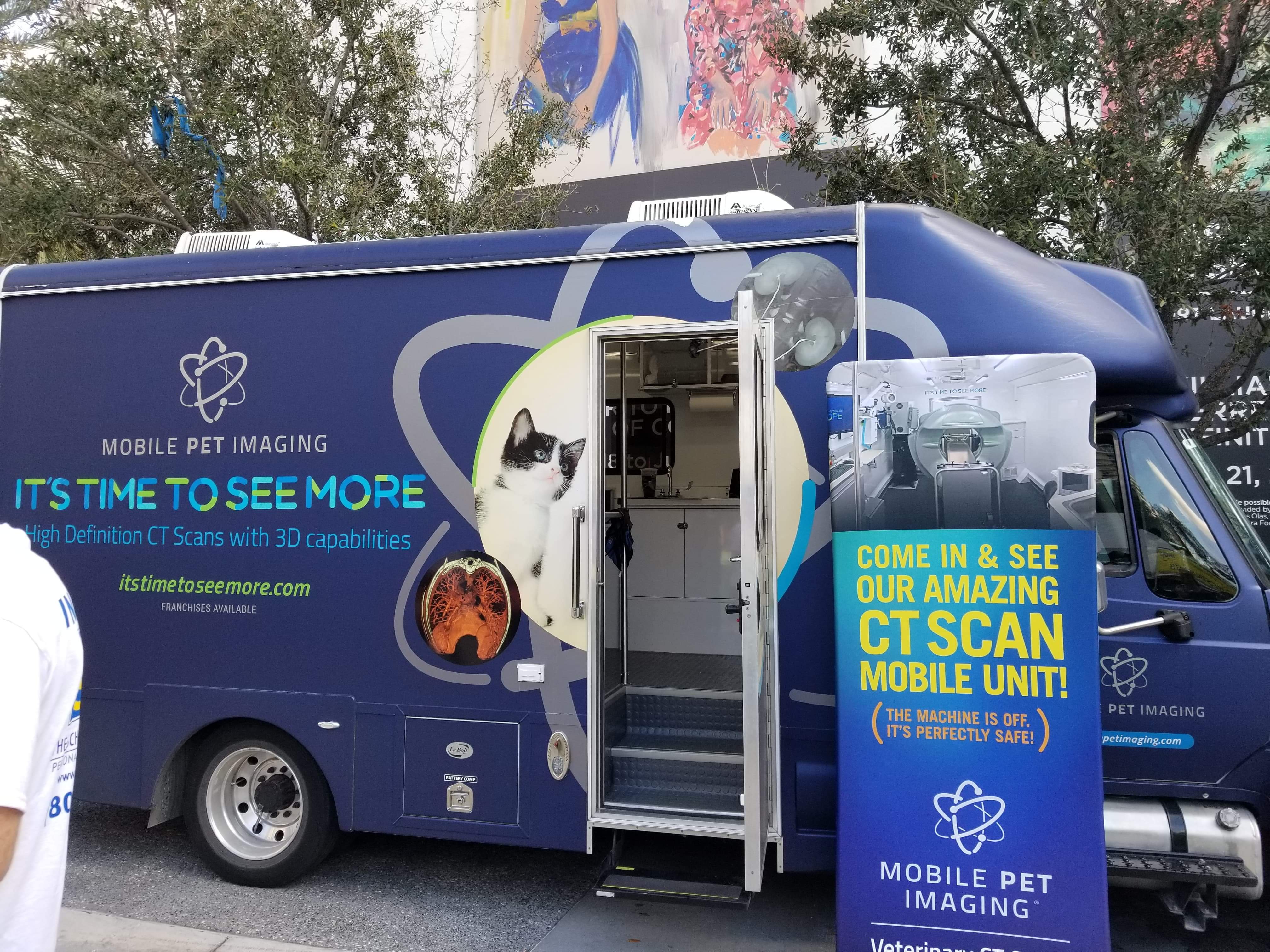
If you are worried your dog or cat might have a health problem that is hard to spot, you are not alone. Many pet owners in Miami and the surrounding communities wonder how veterinarians uncover hidden conditions that do not show up during a regular checkup. This is where advanced pet diagnostic imaging steps in. At Mobile Pet Imaging, our mobile team brings expert CT scans and imaging services directly to your home or your veterinarian’s clinic from our base at 12968 Southwest 132nd Avenue, Miami, FL. We make it easy and comfortable for your pet to get the answers they need without the stress of a traditional hospital visit. In this article, we will explore how pet diagnostic imaging helps find medical issues in dogs and cats, why early detection matters, and how our in-home services can make a difference for your pet’s health and peace of mind.
When Should You Consider Pet Diagnostic Imaging?
Many health problems in dogs and cats can develop quietly, making them difficult to detect without specialized tools. Some of the most common signs that your pet might benefit from diagnostic imaging include unexplained limping, changes in appetite or energy, persistent coughing, difficulty breathing, or unusual swelling. Additionally, if your veterinarian finds a lump, notices abnormal blood work, or suspects an internal issue, they may recommend advanced imaging to get a clear view inside your pet’s body.
Cats, in particular, are masters at hiding discomfort. Weight loss, hiding more than usual, or subtle changes in how your cat jumps or moves could indicate a problem lurking beneath the surface. For dogs, chronic digestive issues, sudden onset of seizures, or ongoing pain after an injury are all reasons your veterinarian may suggest diagnostic imaging. If you have noticed these or other unusual changes in your pet, it is important to discuss them with your veterinary team, who can help determine if advanced imaging is the next best step.
Why Do Hidden Conditions Occur in Dogs and Cats?
Many serious health issues in pets start deep within the body, away from what you can see or feel during a routine examination. Tumors, organ problems, dental disease beneath the gumline, and certain injuries may progress for weeks or months before obvious symptoms appear. For example, a dog with an internal injury after rough play may not show pain right away, or a cat with a liver or kidney issue may only exhibit vague changes in behavior.
Additionally, some breeds are predisposed to specific conditions that are best evaluated with advanced imaging. Brachycephalic dogs, such as bulldogs and pugs, often develop airway issues that can be visualized with CT scans. Senior pets are more likely to develop cancer, arthritis, and organ disease, which can be difficult to fully understand without a clear picture inside the body.
Environmental factors in Miami, such as high humidity, heat, and exposure to certain parasites, can also impact your pet’s health and may create internal changes that are not easy to detect. This makes pet diagnostic imaging an essential part of a thorough veterinary assessment, allowing for early detection and a better chance at successful treatment.
How Pet Diagnostic Imaging Works: CT Scans, Fluoroscopy, and Advanced Technology
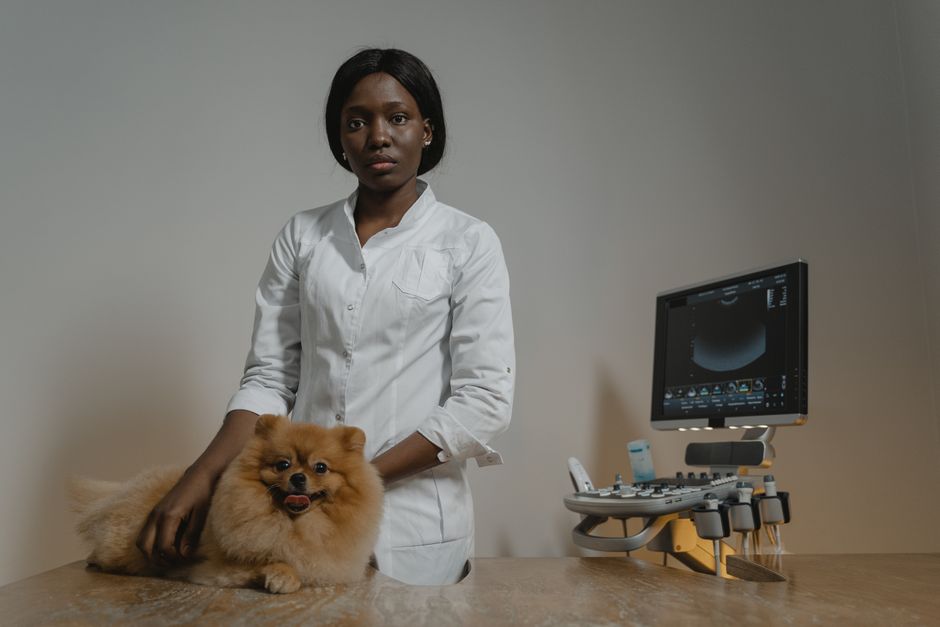
Veterinary diagnostic imaging uses advanced technology to create detailed pictures of your pet’s internal structures. At Mobile Pet Imaging, we offer services like CT scans, fluoroscopy, and fine needle aspirates, all delivered conveniently in your home or at your local clinic.
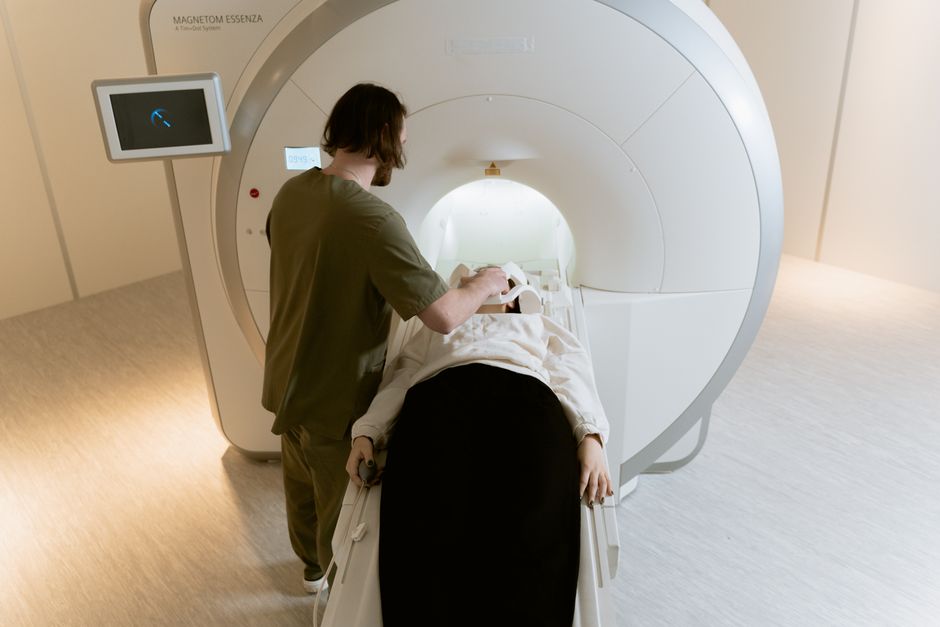
CT (computed tomography) scans use a rotating X-ray machine to create cross-sectional images of organs, bones, and tissues, revealing problems that regular X-rays can miss. This is especially helpful for evaluating neurological conditions, dental disease, tumors, and complex fractures. To see how CT scans work and what to expect, you can visit our visual guide explaining CT scans for veterinary patients and pet owners.
Fluoroscopy provides real-time moving images, making it ideal for evaluating how your pet swallows, breathes, or moves food through their digestive system. If your dog or cat has trouble swallowing, chronic coughing, or gastrointestinal issues, fluoroscopy can give your veterinarian the answers needed for a precise diagnosis. For more details, visit our page on fluoroscopy for evaluating swallowing, breathing, and gastrointestinal function in pets.
Fine needle aspirates are a minimally invasive technique where a small sample is collected from a lump or organ for analysis. This procedure is often performed when a mass or swelling is found, helping to determine whether further treatment or monitoring is needed. Our fine needle aspirates service page offers more information on how this procedure can quickly provide answers without major surgery.
The Benefits of In-Home Veterinary Imaging
One of the biggest advantages of choosing Mobile Pet Imaging is the ability to receive advanced diagnostic services right in the comfort of your home. In-home imaging reduces the stress and anxiety that many pets feel when traveling to a hospital or clinic. For older pets, anxious animals, or those with mobility issues, avoiding car rides and busy waiting rooms can make a significant difference in their comfort and cooperation during the procedure.
Our mobile imaging team collaborates closely with your primary veterinarian, ensuring seamless communication and coordinated care. By bringing the technology to your door, we help you avoid long waits or the need to travel across Miami for specialized diagnostics. Whether your pet needs a CT scan for a suspected neurological issue or fluoroscopy to investigate swallowing problems, our team is equipped to provide answers quickly and compassionately.
What to Expect During Pet Diagnostic Imaging
When you schedule an in-home imaging appointment, our veterinary team will work with your veterinarian to determine the best diagnostic plan for your pet. The process includes reviewing your pet’s medical history, performing a gentle examination, and preparing your pet for the necessary imaging. Depending on your pet’s needs, sedation may be recommended to keep them comfortable and still during the procedure.
CT scans typically take only a few minutes, while fluoroscopy and fine needle aspirates are usually completed in a single visit. After the imaging is finished, we share the results with your veterinarian, who will discuss the findings with you and recommend a treatment plan. Our goal is to provide clear answers in a way that minimizes stress for both you and your pet.
How Imaging Results Guide Treatment and Ongoing Care
The detailed images provided by advanced diagnostic tools allow your veterinarian to pinpoint the exact cause of your pet’s illness or discomfort. For example, if a CT scan reveals a tumor, your veterinarian can determine the best approach for surgery or treatment. If dental disease is found beneath the gumline, early intervention can prevent pain and further complications. In cases of chronic coughing or breathing difficulties, imaging can help differentiate between heart, lung, or airway problems, ensuring your pet receives the most effective therapy.
Having a precise diagnosis means treatments can be tailored to your pet’s unique needs, reducing unnecessary procedures and improving outcomes. To learn more about how our diagnostic imaging services can help identify complex conditions, visit our veterinary diagnostic imaging services overview.
Steps You Can Take at Home to Support Your Pet’s Health
While advanced imaging is essential for diagnosing hidden conditions, there are many things you can do at home to help catch problems early. Pay close attention to your pet’s appetite, energy level, bathroom habits, and any changes in behavior. Regularly check for lumps, bumps, or areas of discomfort, and make note of any limping, coughing, or signs of pain. Keeping up with routine veterinary visits and blood work is also important, as these can alert your veterinarian to subtle changes before they become serious.
If your veterinarian recommends advanced imaging, do not delay. Early diagnosis is the key to successful treatment, and in-home imaging makes the process much less stressful for your dog or cat. For examples of real-life cases where imaging uncovered hidden problems, you can explore our previous veterinary diagnostic imaging cases.
When to Seek Veterinary Imaging for Your Pet
If your pet shows persistent symptoms that do not improve, such as ongoing pain, swelling, unexplained weight loss, or difficulty breathing, it is time to talk with your veterinarian about advanced diagnostic options. Sometimes, even when blood tests or X-rays appear normal, CT scans or fluoroscopy may uncover issues that would otherwise remain hidden. If your pet is recovering slowly from an injury, experiencing repeated health problems, or has a known risk for certain diseases, advanced imaging may be recommended to get a complete picture of their health.
Our mobile imaging team is available to work with your primary veterinarian to determine exactly when and how advanced diagnostics can benefit your pet. We make it easy to get the answers you need, right in the comfort of your home, without the hassle of traveling across town.
Frequently Asked Questions About Pet Diagnostic Imaging
Is in-home diagnostic imaging safe for my pet?
Yes, our mobile imaging procedures are designed with your pet’s safety and comfort in mind. Sedation is used only when necessary, and all imaging follows strict veterinary guidelines. Our team is experienced in handling pets of all ages and temperaments, ensuring a smooth and low-stress experience.
How do I know if my pet needs a CT scan or fluoroscopy?
Your primary veterinarian is the best resource for determining when advanced imaging is needed. They may recommend a CT scan if your pet has unexplained neurological signs, dental disease, or internal injuries. Fluoroscopy is often used for swallowing or breathing problems. For more guidance, visit our page on when veterinarians may consider advanced diagnostic imaging for a pet.
Can I be present during the imaging procedure?
In most cases, we encourage pet owners to stay nearby and help keep their pets calm, especially during setup and recovery. For safety reasons, you may be asked to step out briefly while the actual imaging is performed, but our team will keep you informed every step of the way.
Choose Mobile Pet Imaging for Pet Diagnostic Imaging in Miami
Early detection is crucial when it comes to your dog or cat’s health. Pet diagnostic imaging offers answers when symptoms are unclear, helping your veterinarian create the best care plan for your beloved pet. With Mobile Pet Imaging, you get the convenience of in-home care, advanced technology, and a compassionate team dedicated to your pet’s wellbeing.
If you are searching for a mobile vet near me who can provide expert pet diagnostic imaging in Miami and surrounding communities, reach out to our veterinary professionals at Mobile Pet Imaging today. Schedule an in-home consultation or ask your veterinarian about our services. For more information or to book an appointment, call (305) 733-0673 or visit us at 12968 Southwest 132nd Avenue, Miami, FL. We are here to help you get answers—so your pet can enjoy a healthier, happier life by your side.
The information in this blog is intended for educational purposes only and should not replace professional veterinary advice. Always consult your veterinarian for specific recommendations regarding your pet’s health.