
How Pet Diagnostic Imaging Supports Senior Pets’ Health
How Pet Diagnostic Imaging Supports Senior Pets’ Health
As your beloved dog or cat ages, you may notice subtle changes in their behavior or physical condition that leave you wondering about their health. Senior pets are especially vulnerable to a variety of medical conditions, many of which can develop quietly over time. In Miami and the surrounding communities, ensuring your senior pet enjoys a comfortable and healthy life is a top priority for many pet owners. Fortunately, advancements in pet diagnostic imaging are making it easier than ever to detect age-related health problems early—often before symptoms become severe. At Mobile Pet Imaging, our veterinary team brings advanced mobile CT imaging and other diagnostic services right to your door or your local veterinary clinic, providing stress-free care in the comfort of your home. This blog will explore the vital role that pet diagnostic imaging plays in supporting senior dogs and cats, what signs to watch for, and how Miami’s only mobile CT team can help keep your pet happy and healthy through their golden years.
Recognizing the Signs: When Is Diagnostic Imaging Needed for Senior Pets?
It can be difficult to know when your aging pet needs more than just a routine checkup. Many conditions that affect older dogs and cats develop slowly, with symptoms that may be easy to overlook. Signs that your senior pet might benefit from diagnostic imaging include persistent coughing, unexplained weight loss, changes in appetite, difficulty breathing, frequent vomiting or diarrhea, and new lumps or bumps. Sometimes, increased drinking or urination, behavioral changes, or reluctance to move can also signal underlying health problems. If your pet has a history of cancer, dental disease, or chronic conditions like kidney or liver issues, your veterinarian may recommend advanced imaging to monitor progression or investigate new concerns.
Even when symptoms are mild, diagnostic imaging can reveal internal changes that are not obvious during a physical examination. For example, a senior dog with intermittent limping may have joint changes that are best evaluated with a CT scan, while an older cat with vague weight loss could have abdominal changes that need closer examination. By using advanced imaging tools, such as those offered by Mobile Pet Imaging, your veterinary team can get a detailed look inside your pet’s body without invasive procedures.
Why Do Senior Pets Need Pet Diagnostic Imaging?
As pets age, their risk for certain health problems increases. Common conditions diagnosed in senior dogs and cats include arthritis, dental disease, cancers (such as lymphoma or oral tumors), heart disease, kidney and liver disorders, and neurological issues. Many of these conditions start with subtle internal changes that are difficult to detect until they advance. Pet diagnostic imaging allows veterinarians to identify these changes early, providing a clearer picture of your pet’s internal organs, bones, and soft tissues.
The reason imaging is so important for senior pets is that early detection often leads to better treatment outcomes. For instance, catching cancer at an early stage can dramatically improve your pet’s quality of life and survival time. Identifying arthritis or spinal changes before severe pain develops allows for more proactive pain management. In cases where a pet has had surgery, advanced imaging can also help monitor recovery and spot any complications before they become serious.
CT scans, in particular, provide highly detailed 3D images that are especially valuable for diagnosing complex conditions. For more information on how CT imaging works and the types of conditions it can uncover, you can visit our visual guide explaining CT scans for pet owners.
How Mobile CT Imaging and Other Advanced Diagnostics Help Senior Pets
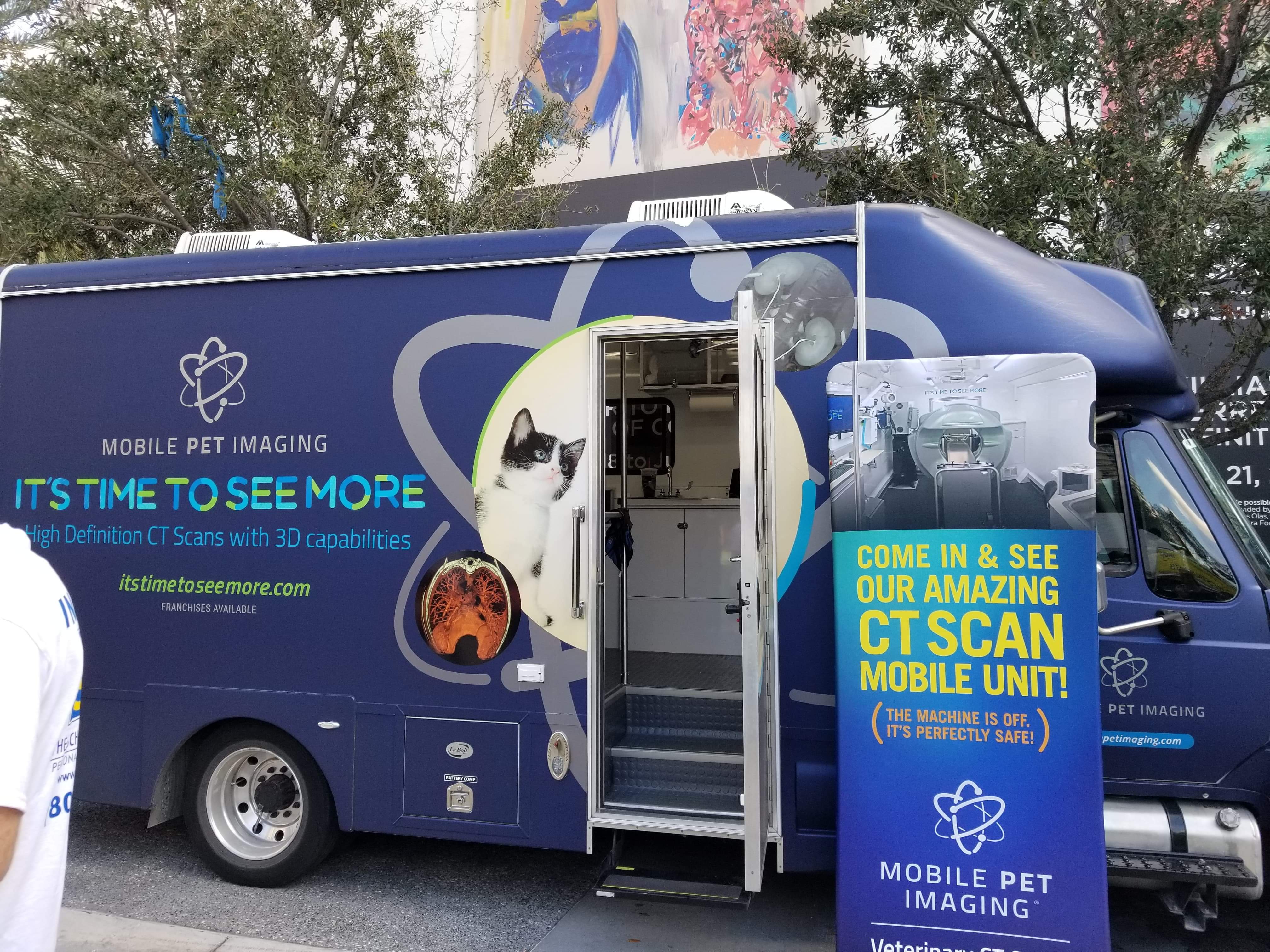
Modern pet diagnostic imaging involves a range of non-invasive techniques, including CT scans, digital X-rays, and sometimes fluoroscopy. At Mobile Pet Imaging, we specialize in mobile CT imaging, which means we come to your home or your veterinarian’s clinic in Miami and surrounding areas, making the process easier and less stressful for both you and your pet.
CT scans are particularly useful for evaluating the head, chest, abdomen, spine, and joints. These images help detect tumors, dental disease, fractures, or inflammatory conditions with remarkable clarity. Additionally, CT imaging is invaluable for complex dental and surgical planning, often allowing veterinarians to map out procedures with a higher degree of accuracy and safety.
Sometimes, your veterinarian may recommend combining CT scans with other diagnostics, such as fine needle aspirates or bloodwork, to get a comprehensive view of your senior pet’s health. Our board-certified specialists and radiologists work closely with your primary care veterinarian to ensure that imaging results translate into a practical plan for your pet’s care.
If you are interested in learning more about the specifics of CT imaging and its benefits for senior dogs and cats, visit our detailed CT scan information page.
Stress-Free Imaging in the Comfort of Your Home
One of the biggest challenges for senior pets is the stress of traveling to a busy veterinary clinic. Our mobile service is designed to provide advanced diagnostics in a familiar, low-stress environment. For older pets with mobility issues, anxiety, or chronic pain, having diagnostic imaging performed at home can make a world of difference. This approach not only keeps your pet comfortable but also allows for more accurate results, as stress and excitement can sometimes mask or worsen symptoms.
The Role of Imaging in Treatment and Management
Once diagnostic imaging has revealed the nature of your senior pet’s health issue, your veterinary team will use those results to develop a targeted treatment plan. For example, if a CT scan identifies a mass in your pet’s abdomen, your veterinarian can determine whether surgery, medication, or monitoring is the best course of action. In cases of arthritis or spinal disease, imaging helps guide pain management strategies, such as physical therapy, medication, or lifestyle adjustments.
In dental care, CT imaging is especially valuable for identifying hidden tooth root infections, jawbone loss, or other problems that standard dental X-rays might miss. Addressing these problems promptly can reduce pain, prevent complications, and improve your pet’s overall quality of life.
Imaging also plays a key role in monitoring chronic conditions. For pets with ongoing health challenges, periodic scans can help track disease progression, assess the effectiveness of treatments, and adjust care as needed. To understand more about how imaging supports diagnosis and treatment planning for pets, you can review our overview of advanced veterinary imaging services.
Home Care and Prevention for Senior Pets
While advanced imaging is a powerful tool, there are many steps you can take at home to support your senior pet’s health. Regular veterinary checkups remain essential, as your veterinarian can help determine when imaging or additional tests may be needed. At home, pay close attention to any changes in your pet’s behavior, appetite, or mobility, and report them promptly to your veterinary team.
Maintaining a healthy weight, offering a balanced diet, providing comfortable bedding, and ensuring gentle exercise can all help manage age-related issues. Dental care is particularly important for older pets, so consider professional cleanings and discuss any concerns about your pet’s mouth with your veterinarian. Remember, early intervention is key; the sooner a problem is identified, the better the outcome for your dog or cat.
When Should You Seek Professional Veterinary Care?
If you notice any of the warning signs discussed above—such as persistent coughing, changes in mobility, unexplained weight loss, or new lumps—do not wait to seek advice. Senior pets are more prone to rapid changes in health, and timely intervention can prevent more serious problems. Your veterinarian may recommend pet diagnostic imaging if they suspect internal disease, unexplained pain, or need to plan for surgery or dental procedures.
Mobile Pet Imaging works closely with your local veterinarian to offer seamless access to advanced diagnostic services. If your pet is aging and developing new symptoms, or if you want peace of mind about their health, reaching out for a consultation is a wise step. For more guidance on when advanced imaging might be necessary, visit our when to call for advanced diagnostic imaging page.
Why Choose Mobile Pet Imaging for Senior Pet Diagnostics in Miami?
Choosing a provider with specialized experience in pet diagnostic imaging ensures that your senior dog or cat receives the most accurate and gentle evaluation possible. Our mobile veterinary team is dedicated to making the process as convenient and comfortable as possible, delivering in-home care across Miami and surrounding communities. With access to board-certified specialists, state-of-the-art technology, and a compassionate approach, we are committed to supporting your pet through every stage of aging.
Take Action: Schedule Advanced Imaging for Your Senior Pet Today
Your senior pet deserves the best care as they age, and early detection of health issues can make all the difference. If you are concerned about your dog or cat’s health, or if your veterinarian has recommended advanced diagnostics, Mobile Pet Imaging is here to help with in-home care and advanced imaging in the Miami area. Our veterinary professionals are ready to support you and your pet from the comfort of your home, minimizing stress while maximizing health insights.
For more information about pet diagnostic imaging, to discuss your concerns, or to schedule a mobile CT scan, contact our team at Mobile Pet Imaging, 12968 Southwest 132nd Avenue, Miami, FL or call (305) 733-0673. If you are searching for a mobile vet near me who can provide advanced diagnostics for your senior pet, you will find a trusted partner in our team. We look forward to helping your dog or cat enjoy many more happy, healthy years by your side.