
What To Expect From Pet Diagnostic Imaging In Miami
What To Expect From Pet Diagnostic Imaging In Miami
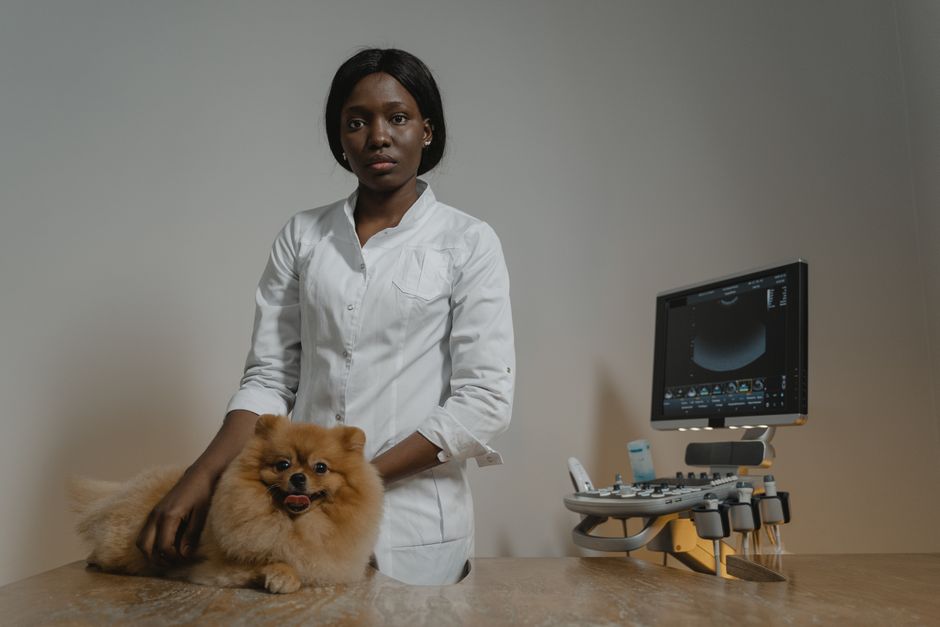
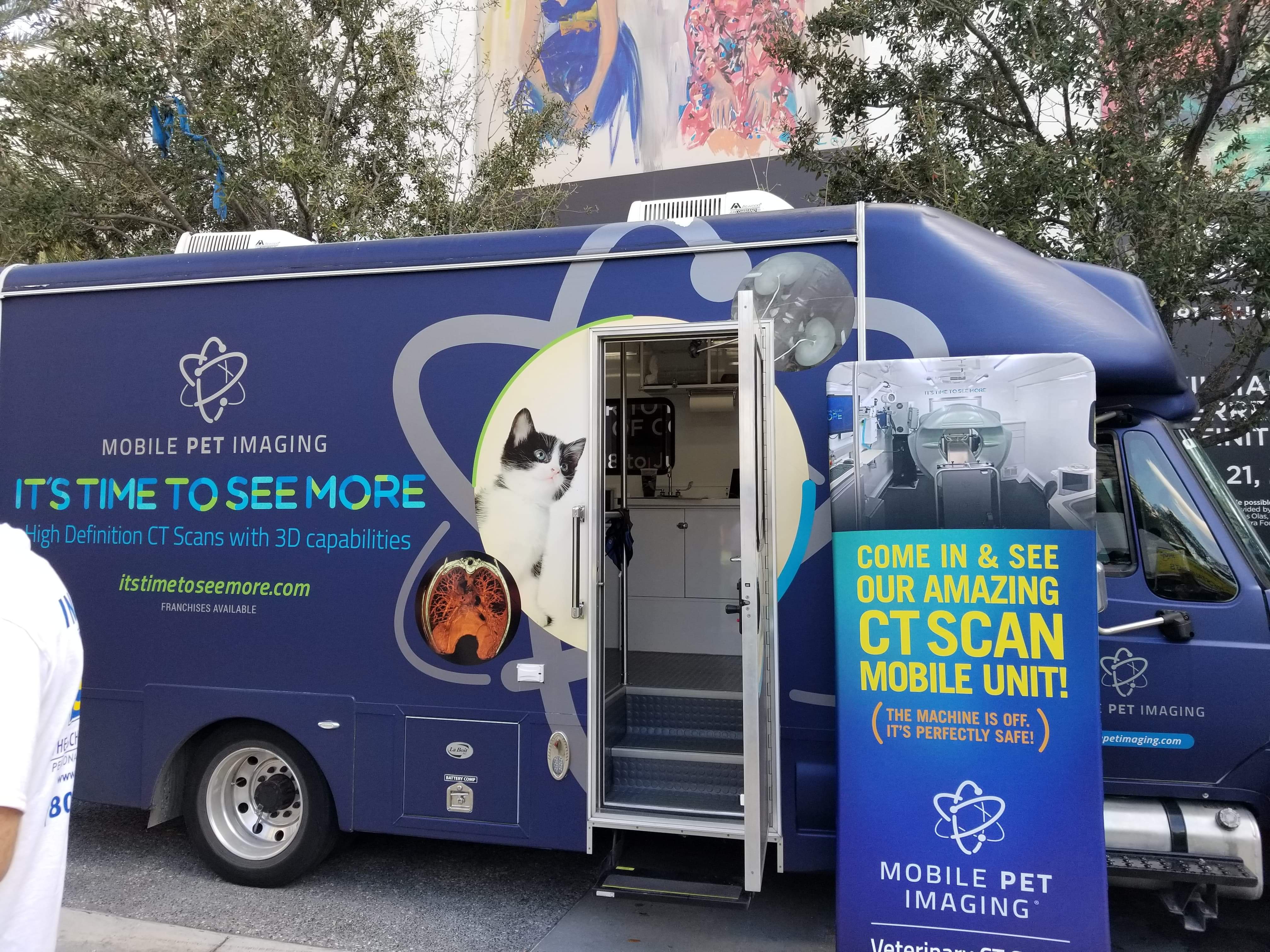
When your dog, cat, or exotic companion faces a health concern that goes beyond what can be found with a physical exam or basic lab work, advanced imaging becomes an essential tool for your veterinarian. Pet diagnostic imaging offers a window into what’s happening inside your animal, helping your veterinary team reach answers quickly and with minimal stress. At Mobile Pet Imaging, we bring state-of-the-art CT imaging and diagnostic services directly to your veterinarian’s office throughout Miami and surrounding communities. This means your pet receives expert care in a familiar setting, without the added anxiety of visiting a specialty hospital. In this blog, you’ll learn how pet diagnostic imaging works, what to expect when your veterinarian partners with a mobile imaging provider, and why on-site CT scans can make a vital difference for your animal’s health and comfort. We’ll guide you through common reasons for imaging, how the process unfolds, and how our mobile approach keeps your pet’s wellbeing at the center of care.
If you’re curious about specific imaging procedures, you can explore our comprehensive imaging services for pets for a closer look at what we offer.
Recognizing When Your Pet Needs Diagnostic Imaging
As a pet owner, it can be difficult to know when advanced diagnostics might be necessary. While some health issues are obvious, others develop quietly or present with subtle changes. Key signs that may prompt your veterinarian to recommend pet diagnostic imaging include sudden limping, ongoing pain, unexplained weight loss, or persistent coughing. Changes in appetite, difficulty breathing, or abdominal swelling may also raise concerns. In some situations, your pet might have had an abnormal blood test result, like elevated liver enzymes, that requires further investigation. Additionally, dental problems such as broken teeth, oral swelling, or facial discomfort can often benefit from detailed imaging to assess the underlying structures.
Every pet is unique, and the decision to proceed with imaging is based on your veterinarian’s assessment of your animal’s symptoms and medical history. For example, a dog who suddenly starts favoring one leg after a play session at the park, or a cat that develops chronic sneezing, may both be candidates for diagnostic imaging to pinpoint the cause. Exotics—such as rabbits or ferrets—can also display non-specific symptoms like lethargy or loss of appetite that make imaging a valuable diagnostic tool.
If you’re looking for more information about the types of cases that benefit from imaging, you might find our previous cases and success stories helpful for understanding real-life scenarios.
Understanding the Causes and Uses of Pet Diagnostic Imaging
Pet diagnostic imaging is recommended for a variety of reasons, all with the same goal: to provide your veterinary team with clear, detailed information that supports the best possible care. Common causes that lead to imaging include traumatic injuries from accidents, suspicion of tumors or cancer, dental disease, unexplained neurological symptoms like seizures, and chronic issues that have not responded to initial treatments.
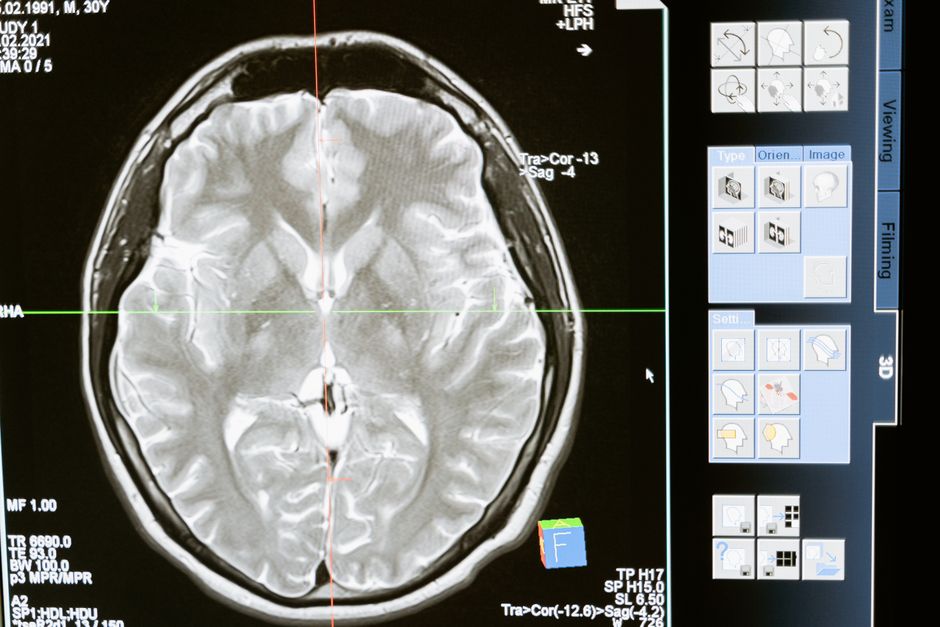
Each imaging modality has its strengths. CT scans excel at revealing intricate details in bone, organs, and tissues, making them invaluable for diagnosing complex dental problems, nasal disease, or internal masses. Fluoroscopy provides real-time imaging that is especially useful for evaluating swallowing disorders or guiding certain procedures. Fine needle aspirates, often performed with imaging guidance, allow for minimally invasive sampling of suspicious lesions or enlarged lymph nodes.
Miami’s active lifestyle and warm climate mean that pets are often outdoors, which increases exposure to environmental risks such as trauma, snake bites, or foreign body ingestion. Additionally, the prevalence of dental disease in both dogs and cats makes dental CT scans a frequently requested procedure. Whether your pet is struggling with an ongoing medical mystery or has developed acute symptoms, your veterinarian may recommend diagnostic imaging to get clear answers and guide next steps.
To better understand how different imaging methods compare, especially for specific problems like liver enzyme abnormalities, we invite you to review our comparison of CT and ultrasound for diagnosing elevated liver enzymes.
What Happens During a Pet Diagnostic Imaging Appointment
When your veterinarian determines that advanced imaging is the best step for your pet, they will coordinate with Mobile Pet Imaging to schedule a convenient, on-site visit. Because we come to your veterinary clinic, your pet receives care in a familiar environment, reducing travel-related anxiety and allowing for a smoother experience.
The imaging process begins with a thorough review of your pet’s medical history and the specific questions your veterinarian hopes to answer. For most CT scans and fluoroscopic procedures, sedation or anesthesia is provided to ensure your pet remains calm and still, which is essential for obtaining clear images. Our mobile team arrives with specialized equipment and works closely with your veterinary clinic’s staff to ensure all safety protocols are followed.
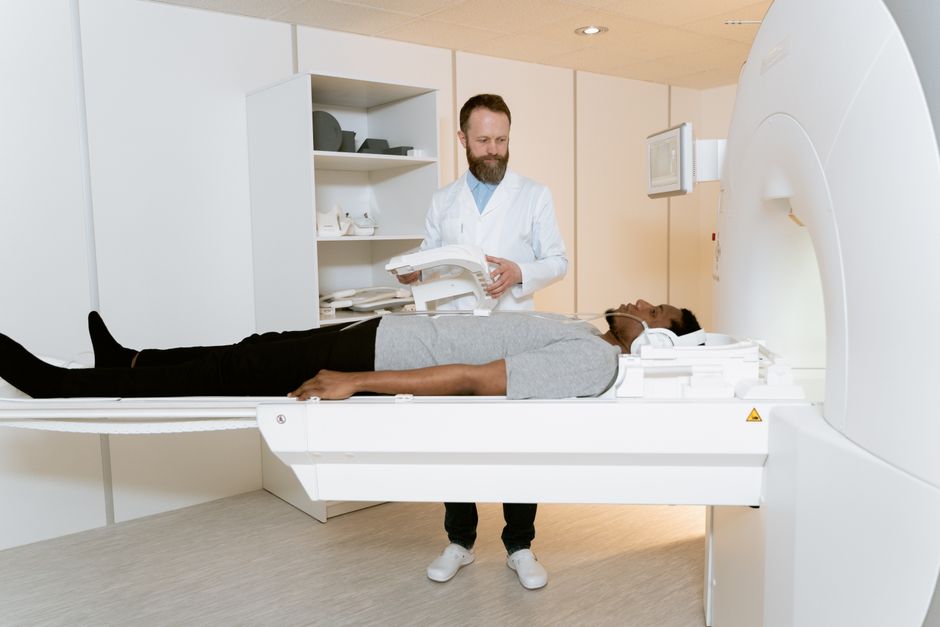
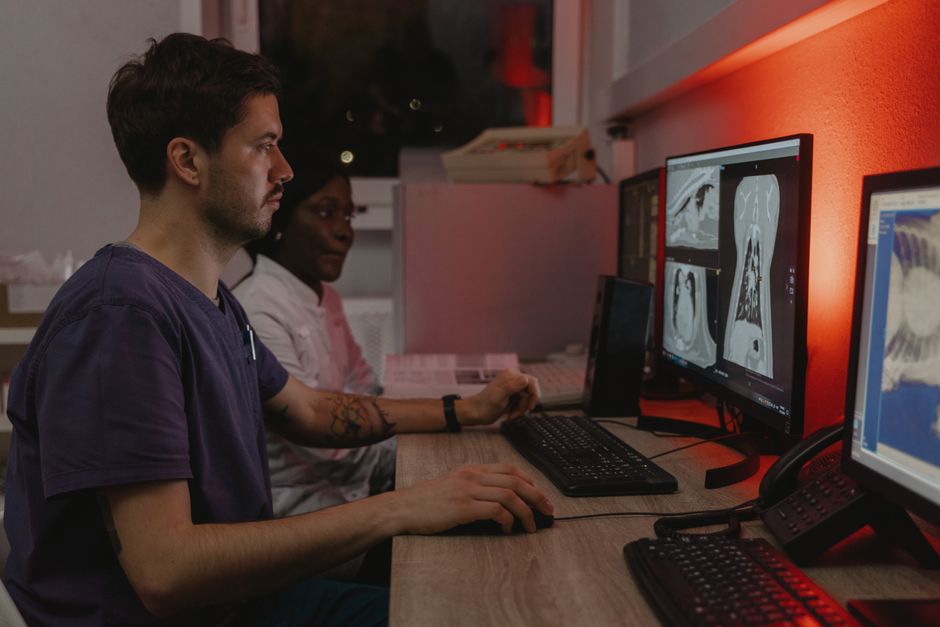
The actual scanning process is quick—many CT studies are completed within minutes. Throughout the procedure, your pet’s vital signs are monitored by veterinary professionals who are experienced in anesthesia and advanced imaging. Once the imaging is complete, your pet is carefully monitored during recovery, and most animals go home the same day. The images are interpreted by board-certified veterinary radiologists, and a detailed report is sent directly to your veterinarian, who will discuss the findings and next steps with you.
If you’re interested in seeing exactly how a CT scan is performed for pets, our visual guide to CT scans provides helpful images and explanations.
Home Care and Preparation Before Diagnostic Imaging
Preparing your pet for diagnostic imaging is an important part of ensuring a safe and smooth experience. Your veterinary team will give you specific instructions based on the type of imaging planned. In general, pets undergoing CT scans or fluoroscopy may need to fast for several hours prior to the procedure, since sedation or anesthesia is often required. Make sure to follow your veterinarian’s directions regarding food, water, and any medications. If your pet is on regular medication, ask if it should be given the morning of the procedure.
Before the appointment, try to keep your animal’s routine as normal as possible to minimize stress. Bring your pet to the clinic in a secure carrier or with a leash and harness, and let the veterinary team know about any recent changes in your pet’s health. For exotics, such as rabbits or birds, it’s helpful to bring a small amount of their familiar bedding or a favorite treat to help them feel more comfortable.
If you have questions about what to expect or how to prepare, our FAQ on pet diagnostic imaging covers common concerns and preparation tips.
When Should You Seek Veterinary Imaging?
Knowing when to move forward with diagnostic imaging can sometimes feel overwhelming. In general, your veterinarian will recommend imaging when they need more information to make a diagnosis or create a treatment plan. If your pet is experiencing persistent symptoms such as unexplained limping, ongoing pain, or sudden changes in appetite or behavior, it’s important to consult your veterinarian without delay. Sudden onset of neurological signs, breathing difficulties, or abdominal swelling are always reasons to seek veterinary attention promptly.
Remember, advanced imaging isn’t just for rare or severe cases. Many chronic issues that haven’t improved with initial treatments can benefit from a deeper look inside. By choosing a mobile imaging provider, you’re ensuring your pet receives timely, high-quality diagnostics without the added stress of traveling to a specialty center. This approach is especially helpful for anxious pets, senior animals, or those with mobility challenges.
If you’re still unsure about whether imaging is needed, start by discussing your concerns with your primary veterinarian. They can advise you on the most appropriate next steps and coordinate with our mobile imaging team if advanced diagnostics are indicated.
Why Choose Mobile Pet Imaging for Your Animal’s Care
Mobile Pet Imaging is dedicated to providing expert, compassionate diagnostic services for dogs, cats, and exotic pets throughout Miami and surrounding communities. By bringing advanced technology directly to your veterinarian’s office, we make pet diagnostic imaging more accessible, comfortable, and efficient for both you and your animal. Our approach means less travel, reduced stress, and faster answers, all while keeping your pet in a familiar environment.
Whether your veterinarian has recommended a CT scan, fluoroscopy, or a fine needle aspirate, our team works closely with your clinic to ensure a seamless experience from start to finish. We are proud to support Miami’s veterinary community by offering a full range of imaging options that help pets get the care they need, when and where they need it.
For more details about the imaging options available, you can visit our page on CT scans for pets to learn how these advanced diagnostics support your animal’s health.
Take the Next Step Toward Answers for Your Pet
If your veterinarian has recommended pet diagnostic imaging, or if you’re seeking expert guidance for a health concern, Mobile Pet Imaging is here to help. Our mobile imaging team brings advanced diagnostics directly to your veterinary clinic, providing care in the comfort of your pet’s own environment. To learn more, schedule an appointment, or ask about our services, call (305) 733-0673 or ask your veterinarian to contact us on your behalf. You can also explore our convenient online forms for booking pet imaging appointments.
When searching for a mobile vet near me in Miami, look for a provider that prioritizes your animal’s comfort and partners closely with your trusted veterinary team. At Mobile Pet Imaging, we are committed to delivering compassionate, expert diagnostics that put your pet’s wellbeing first. For advanced pet diagnostic imaging in Miami, trust our experienced team to bring answers and peace of mind—right to your door.
For directions to our main office or to learn more about our Miami location, visit 12968 Southwest 132nd Avenue, Miami, FL.
The information in this blog is intended for educational purposes and should not replace professional veterinary advice. Always consult your veterinarian for concerns about your animal’s health or before proceeding with diagnostic procedures.