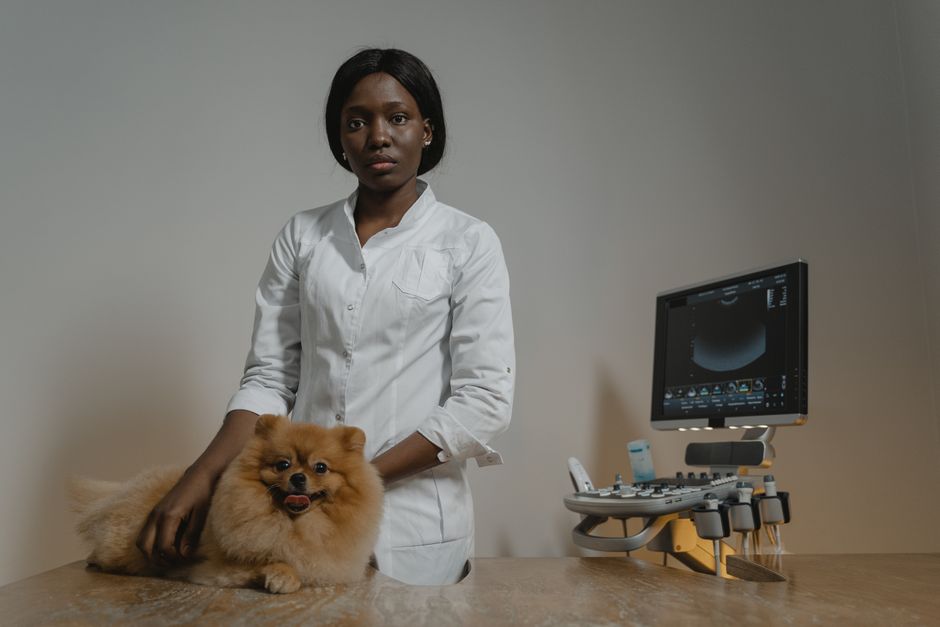

Pet Diagnostic Imaging for Dental and Surgery Cases in Miami
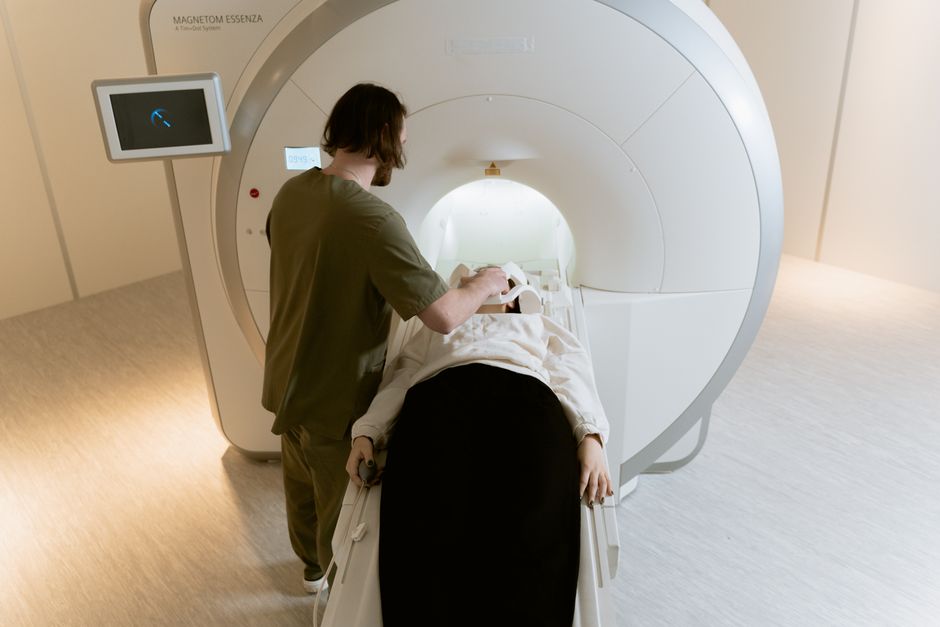
Pet Diagnostic Imaging for Dental and Surgery Cases in Miami
If you have ever wondered how your veterinarian sees what's happening inside your dog or cat—especially when it comes to dental disease or surgical planning—advanced pet diagnostic imaging is the answer. At Mobile Pet Imaging, we bring state-of-the-art mobile CT imaging services directly to your home or your veterinarian's clinic throughout Miami and surrounding communities. This means your pet can get advanced diagnostic care in a setting that is familiar and stress-free, whether preparing for dental work or a complex surgery. In this blog, we will explore how pet diagnostic imaging supports accurate diagnosis, improves treatment outcomes, and makes veterinary care more convenient for you and your pet—all from the comfort of your own home or local veterinary clinic. We will discuss when imaging is needed, what the process involves, and why choosing a mobile service like Mobile Pet Imaging in 12968 Southwest 132nd Avenue, Miami, FL can make all the difference for your pet's health. For a closer look at the types of imaging available for pets, you can also visit our overview of advanced veterinary imaging services.
Recognizing When Pet Diagnostic Imaging Is Needed
Many pet owners are surprised to learn that dental and surgical conditions in dogs and cats often require advanced imaging for accurate diagnosis and planning. It is not always easy to tell when your pet needs more than a physical exam. For dental cases, signs that may require further investigation include persistent bad breath, visible swelling around the mouth or jaw, difficulty eating, or unexplained facial pain. In surgical cases, your veterinarian may recommend imaging if your pet has a mass or lump that cannot be fully understood from the outside, ongoing lameness, or symptoms such as repeated vomiting, coughing, or unexplained weight loss.
Sometimes, dental disease is hidden below the gumline, and traditional X-rays may not provide a complete picture. CT scans can reveal issues like tooth root abscesses, bone involvement, or even tumors that would otherwise go undetected. Similarly, before surgery, imaging helps the veterinary team see the full extent of an injury or disease, ensuring that the surgical plan is as safe and precise as possible. Understanding these signs and their importance helps you advocate for your pet's health and supports your veterinarian's efforts to provide the best care.
Why Dental and Surgical Cases Require Advanced Imaging
Dental disease is a leading health issue for both dogs and cats, yet much of the problem remains beneath the surface. While your veterinarian may spot tartar, redness, or broken teeth during a routine dental exam, advanced imaging such as a CT scan provides a three-dimensional view that uncovers hidden infections, bone loss, and the true extent of dental problems. This level of detail is especially important for pets with chronic oral pain, draining wounds, or unusual swelling, as it allows for targeted treatment and avoids unnecessary procedures.
Surgical cases also benefit greatly from advanced pet diagnostic imaging. Whether your pet has a suspicious mass, a non-healing wound, or complex orthopedic needs, CT scans and fluoroscopy offer unparalleled insight into the internal structures. This technology helps the veterinary team map out the safest surgical approach, avoid complications, and anticipate challenges before ever making an incision. For example, in cases involving nasal tumors or oral growths, imaging can reveal how far a mass has spread and guide the most effective treatment plan.
For more details about how CT scans support diagnosis and treatment, visit our information about veterinary CT scans.
How Mobile Pet Imaging Works: In-Home Care and Stress-Free Visits
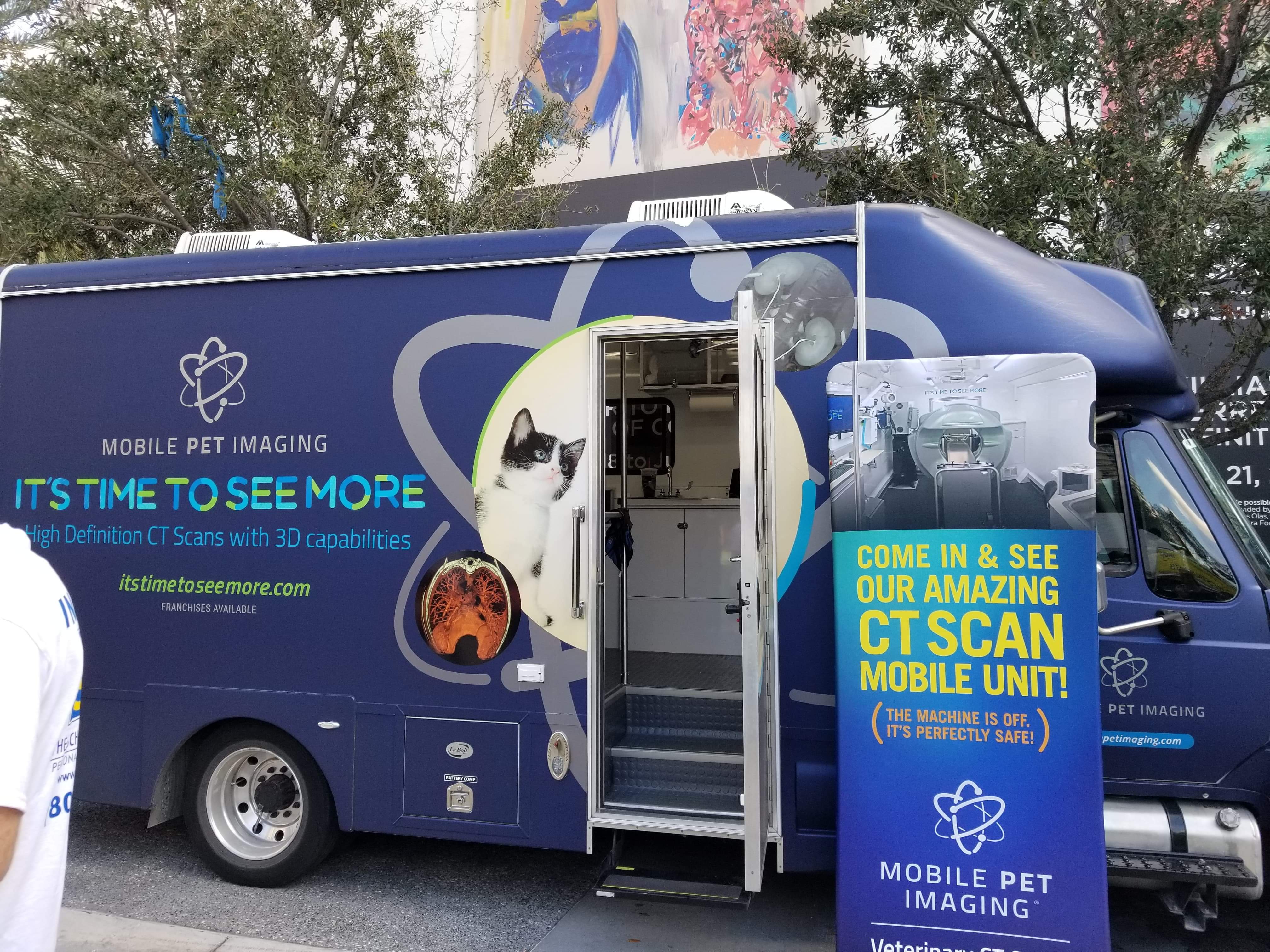
One of the greatest advantages of choosing Mobile Pet Imaging is the convenience and reduced stress for both you and your pet. Instead of transporting your dog or cat to a busy specialty hospital, our mobile CT imaging services come directly to your home or to your primary veterinarian's clinic. This in-home care approach means your pet can remain in a familiar environment, minimizing anxiety and making the experience more comfortable from start to finish.
Our veterinary professionals work closely with your regular veterinarian to determine the best imaging approach for your pet's dental or surgical case. The process typically involves a brief period of light sedation for your pet's comfort and safety; then, we perform the CT scan or fluoroscopy on-site. Results are interpreted by experienced veterinary radiologists, and a detailed report is provided to your veterinarian, supporting prompt and accurate treatment decisions.
If you are curious about what to expect during a CT scan, our visual guide explaining CT scans for pets offers helpful insights into the process and how it benefits your pet.
The Role of Pet Diagnostic Imaging in Treatment and Recovery
Pet diagnostic imaging is more than just a tool for diagnosis; it is a critical part of successful treatment and recovery for dental and surgical cases. For dental procedures, imaging allows veterinarians to identify which teeth need extraction, assess bone health, and plan for any necessary oral surgery. This precision reduces the risk of complications and ensures that all sources of pain or infection are addressed.
In surgical cases, imaging improves outcomes by providing a clear roadmap for the veterinary team. For example, when a cat has a jaw fracture or a dog presents with a suspected tumor, having detailed images enables precise surgical planning, shorter anesthesia times, and often a quicker recovery. Advanced imaging can also reveal underlying problems that might otherwise be missed, allowing for early intervention and better long-term health.
Real-world examples show how advanced imaging has transformed veterinary care. You can explore some previous imaging cases to see how diagnostic CT use has helped uncover complex conditions such as hidden dental and oral abnormalities.
What Pet Owners Can Do at Home to Support Dental and Surgical Health
While only a veterinary team can provide diagnostic imaging and surgical care, there are important steps you can take at home to support your pet's dental and overall health. Regularly inspecting your pet's mouth for changes such as redness, swelling, broken teeth, or discharge is a good starting point. Brushing your pet's teeth with a veterinarian-approved toothpaste, providing dental chews, and scheduling routine dental cleanings with your veterinarian all contribute to better oral health and may help reduce the risk of advanced dental disease.
For pets recovering from dental or surgical procedures, following your veterinarian's instructions for medication, activity restriction, and home care is crucial. Monitoring your pet for changes in appetite, behavior, or the appearance of surgical sites allows for early detection of potential complications. If you notice any persistent symptoms such as swelling, pain, bleeding, or reluctance to eat, it is important to reach out to your veterinary team promptly.
When to Seek Veterinary Care and the Importance of Early Imaging
Recognizing when to seek professional help can make a significant difference in your pet's health and comfort. If your dog or cat shows persistent bad breath, drooling, swelling around the mouth, difficulty eating, or unexplained pain, do not wait for the problem to worsen. Timely veterinary evaluation, including advanced pet diagnostic imaging, ensures that underlying conditions are identified early and treated appropriately.
For surgical concerns, symptoms that warrant immediate attention include sudden swelling, rapidly growing lumps, ongoing vomiting, unexplained weight loss, or difficulty breathing. Your veterinarian may recommend a CT scan or fluoroscopy to provide a complete picture of what is happening inside your pet, leading to more effective treatment and a smoother recovery. If you are uncertain about whether your pet's issue requires advanced imaging, our page on when advanced mobile pet imaging may be appropriate offers helpful guidance.
Why Choose Mobile Pet Imaging for Pet Diagnostic Imaging in Miami?
Mobile Pet Imaging is dedicated to making high-quality pet diagnostic imaging accessible, convenient, and stress-free for Miami's pets and pet owners. Our mobile team brings advanced CT imaging and fluoroscopy directly to your home or your veterinary clinic, saving you time and reducing the anxiety that can come with transporting your pet. We partner closely with your primary veterinarian to ensure that every imaging study supports the best possible care for your dog or cat.
With a service area that covers Miami and surrounding communities, we are committed to supporting pets throughout the region. Our veterinary professionals combine expertise with compassion, ensuring that your pet receives the highest level of care in a setting that feels safe and familiar. Whether your pet needs dental imaging, support for a surgical case, or help with a complex medical issue, we are here to help.
Take the Next Step: Advanced Pet Diagnostic Imaging in the Comfort of Your Home
If your veterinarian has recommended advanced imaging or you have concerns about your pet's dental or surgical health, Mobile Pet Imaging is ready to provide expert care right where you need it. We come to you for stress-free home visits or collaborate directly with your veterinary clinic to make the process as smooth as possible. Experience the convenience and peace of mind of in-home care for your pet’s diagnostic needs.
To learn more about our services or to schedule a mobile CT imaging appointment, contact our veterinary professionals at (305) 733-0673 or visit us at 12968 Southwest 132nd Avenue, Miami, FL. If you are searching for a mobile vet near me or want to explore how pet diagnostic imaging can help your dog or cat, Mobile Pet Imaging is here for you and your pet every step of the way.
Medical disclaimer: This blog is for informational purposes only and should not be used as a substitute for professional veterinary advice, diagnosis, or treatment. If you have concerns about your pet’s health, always consult with your veterinarian or a qualified veterinary professional.