
The Role of Pet Diagnostic Imaging in Early Disease Detection
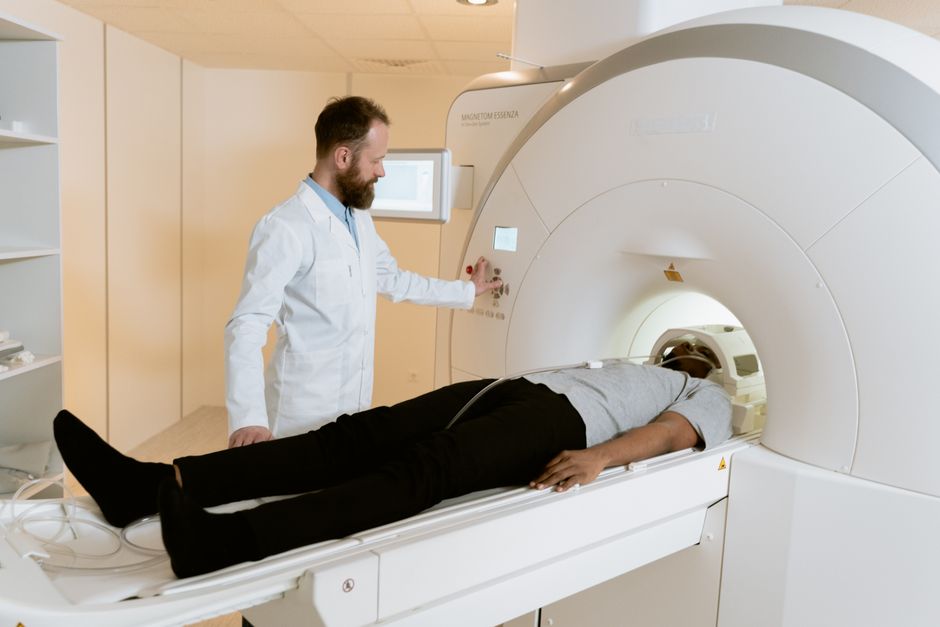
The Role of Pet Diagnostic Imaging in Early Disease Detection
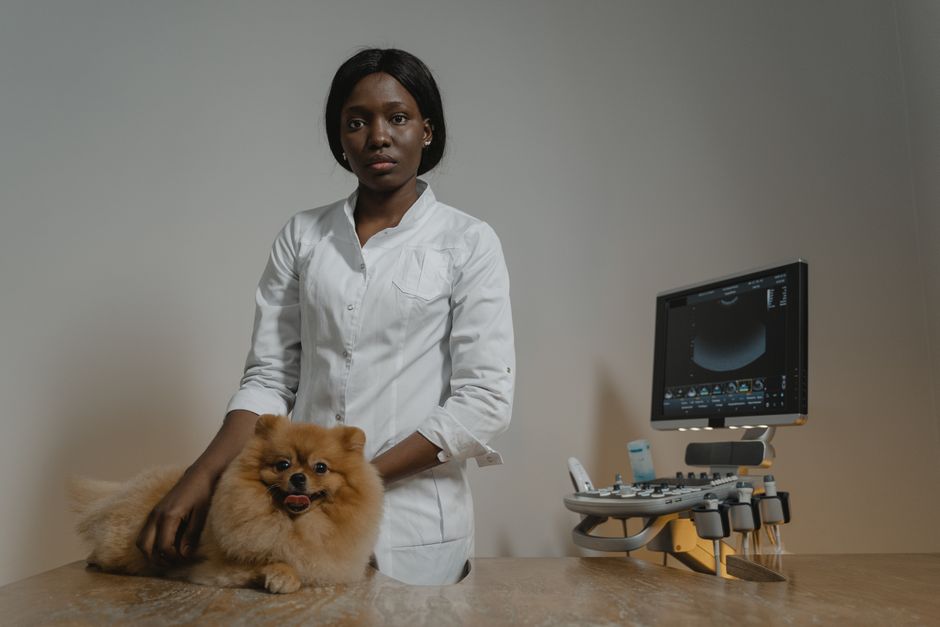
Caring for your dog or cat means staying one step ahead of illness—and that’s where pet diagnostic imaging comes in. Many health conditions in pets develop quietly, with subtle or invisible signs that can escape even the most attentive pet owner. Thanks to advances in veterinary imaging, your veterinarian now has powerful tools to help catch problems early, often before symptoms appear. At Mobile Pet Imaging, based in Miami, FL, our team specializes in bringing advanced mobile CT imaging and diagnostics directly to your local animal hospital. We make it possible for your pet to receive cutting-edge care right in the comfort of your home clinic, ensuring quick answers and reducing stress for both you and your companion. In this article, we’ll explore how pet diagnostic imaging helps Miami veterinarians detect disease early, what signs to watch for, and how our mobile service supports your pet’s health and your peace of mind.
Recognizing When Your Pet Might Need Diagnostic Imaging
It’s not always easy to tell when your pet is hiding a health problem. Dogs and cats are masters at masking discomfort, which can make early detection challenging. However, there are several signs that suggest your pet could benefit from diagnostic imaging. Persistent symptoms such as unexplained weight loss, changes in appetite, ongoing coughing, abnormal breathing, chronic vomiting or diarrhea, lameness, difficulty eating, or swelling in the face or body should not be ignored. Sometimes, your veterinarian may recommend imaging even if your pet seems generally healthy, especially during pre-anesthetic evaluations or as a follow-up to abnormal bloodwork or physical examination findings.
In many cases, subtle behavioral changes can also signal internal issues. For example, a normally playful dog that suddenly avoids activity, or a cat that hides more than usual, may be experiencing discomfort from a condition that is not immediately visible. Advanced imaging techniques like CT scans allow your veterinarian to look beyond the surface, providing detailed pictures of your pet’s organs, bones, and soft tissues. By spotting problems early, you give your pet the best chance for successful treatment and a longer, healthier life.
Why Early Detection Matters: Understanding the Power of Imaging
Many of the most serious diseases in pets—such as cancer, dental disease, heart conditions, and internal injuries—develop over time and are difficult to detect with basic exams alone. Traditional tools like X-rays and ultrasound are valuable, but they have limitations when it comes to visualizing complex structures or subtle changes. This is where pet diagnostic imaging, especially CT scans and fluoroscopy, make a difference.
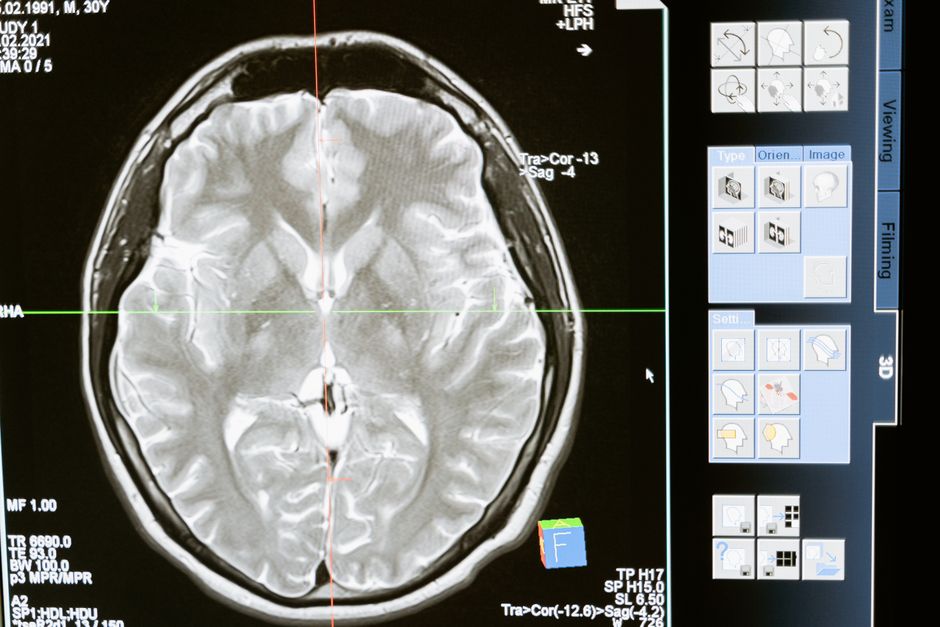
CT (computed tomography) imaging creates three-dimensional, highly detailed views of your pet’s anatomy, allowing veterinarians to identify tumors, bone abnormalities, dental issues, and internal organ problems that might otherwise go unnoticed. For example, chronic nasal discharge might be caused by a hidden mass or foreign object in the nasal passages—something that can be missed on standard X-rays. Similarly, unexplained lameness could be due to a small bone fragment or early joint disease, which CT scans can reveal with remarkable clarity. To learn more about how CT scans work and what to expect, visit our Visual Guide to CTs.
Fluoroscopy, another advanced imaging tool, provides real-time moving images of your pet’s internal structures. This is especially useful for diagnosing swallowing disorders, airway collapse, or abnormal blood flow patterns. In some cases, a fine needle aspirate—guided by imaging—can help veterinarians collect cells from suspicious lumps or organs for laboratory analysis, aiding in the early detection of cancer or infection.
How Mobile Pet Imaging Brings Advanced Diagnostics to Your Veterinarian
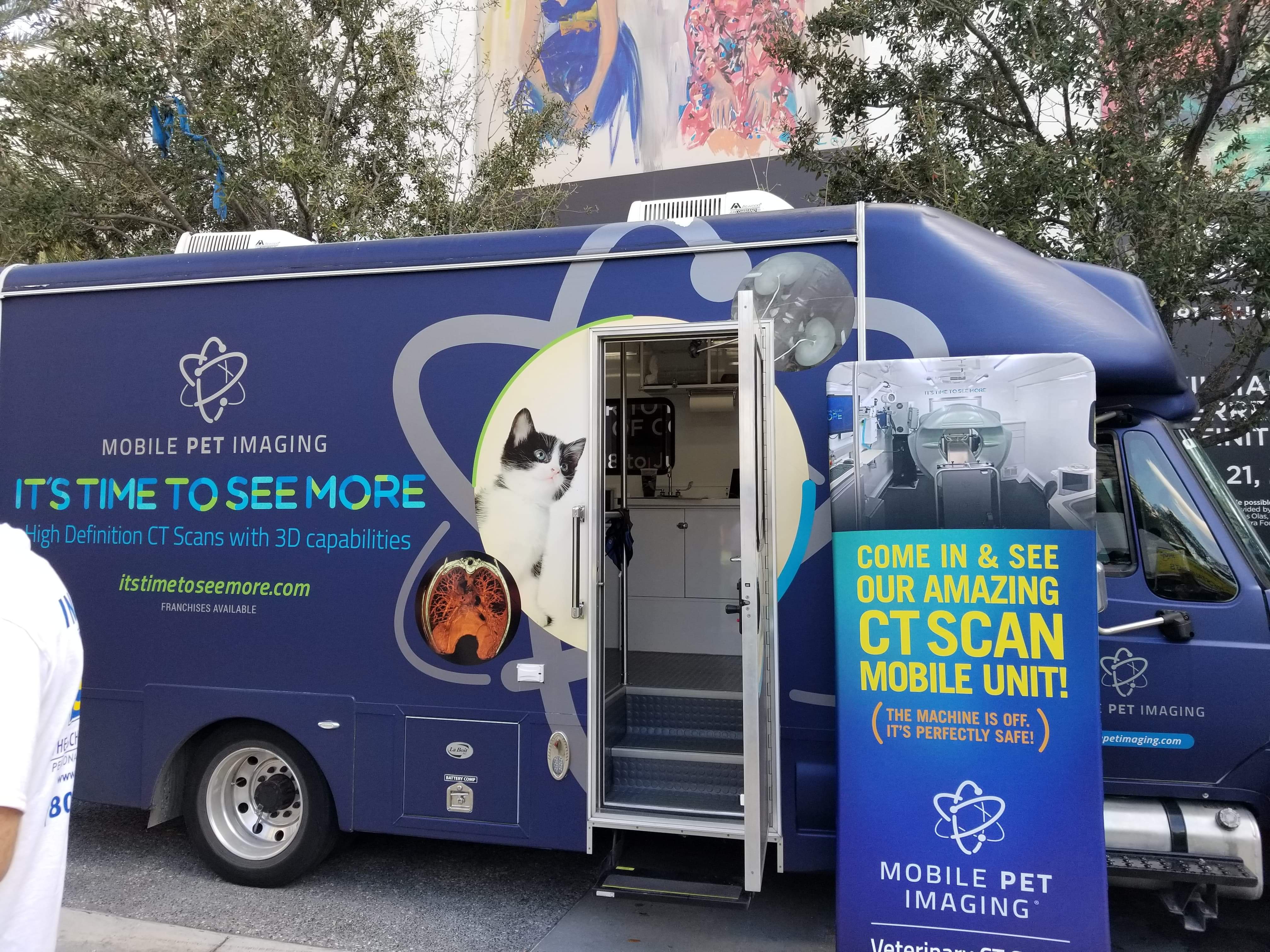
Traditionally, many advanced imaging procedures required a trip to a specialty hospital, which could mean long waits, extra travel, and added stress for both you and your pet. Mobile Pet Imaging changes that by bringing state-of-the-art technology directly to your local veterinary clinic, whether you live in Miami or one of the surrounding communities.
Our mobile imaging unit is equipped to perform CT scans, fluoroscopy, and fine needle aspirates on-site, working alongside your trusted veterinary team. This convenient, in-home clinic approach means your pet receives expert care in a familiar setting, reducing anxiety and improving the overall experience. With same-day or next-day scheduling available in most cases, you no longer have to wait weeks for answers. Your veterinarian remains at the center of your pet’s care, coordinating with our imaging specialists to interpret results and plan the best course of action.
If you are curious about the full range of imaging services we offer, including details on CT, fluoroscopy, and aspirates, you can explore our comprehensive veterinary diagnostic imaging services page.
The Diagnostic Process: What to Expect
When your veterinarian recommends advanced imaging, it’s natural to have questions about what the process involves. After discussing your pet’s symptoms and performing a physical exam, your veterinary team may suggest further diagnostics to get a clearer picture of what’s happening internally. This is where Mobile Pet Imaging steps in, coordinating with your clinic to schedule a mobile visit at a convenient time.
For most pets, the experience is smooth and minimally stressful. Your pet will be gently sedated or anesthetized to ensure they remain still and comfortable during the scan. The imaging process itself is quick, typically taking just a few minutes for a CT or fluoroscopy session. Images are reviewed by our veterinary imaging specialists, who work closely with your veterinarian to provide a detailed report. This collaborative approach ensures that you receive timely, accurate information, and that your pet’s treatment plan is tailored to their unique needs.
For owners concerned about the safety of these procedures, it’s reassuring to know that modern imaging techniques use the lowest possible doses of radiation and are considered very safe. Our team is always happy to answer questions and guide you through the process—if you have concerns, start by reviewing our Frequently Asked Questions about veterinary imaging.
Preventive Imaging: Staying Ahead of Disease
Preventive care is not just about vaccinations and routine checkups; it also involves proactive screening for conditions that develop silently over time. In breeds at higher risk for certain cancers, heart disease, or dental issues, your veterinarian might recommend imaging as part of an annual or biannual wellness protocol. For example, older cats are prone to kidney and thyroid disease, while certain dog breeds face increased risk for nasal tumors or orthopedic problems.
In these cases, pet diagnostic imaging can uncover hidden issues before they progress to advanced stages, allowing for early intervention and better outcomes. Preventive imaging is especially valuable when combined with regular bloodwork and physical exams. By working closely with your veterinarian and taking advantage of mobile imaging services, you can help ensure your pet enjoys the healthiest, happiest life possible.
When to Seek Veterinary Imaging for Your Dog or Cat
Knowing when to pursue advanced imaging can be confusing for pet owners. In general, you should consult your veterinarian if your pet experiences persistent symptoms such as unexplained weight loss, ongoing pain, abnormal breathing, difficulty eating, new lumps or swelling, seizures, or sudden behavioral changes. Additionally, if your veterinarian recommends imaging based on exam findings or lab results, it’s important to follow through promptly.
Early diagnosis often means less invasive treatments, faster recovery, and improved quality of life for your pet. Delaying imaging can allow disease to progress, making treatment more difficult and costly. With mobile imaging, the process is easier than ever—no need for extra travel or stressful hospital visits. Our goal is to support you and your veterinarian by providing answers quickly, so you can make informed decisions about your pet’s care.
Your Partner in Pet Health: The Advantages of Mobile Imaging
Choosing a mobile veterinary imaging service is about more than just convenience; it’s about ensuring your pet receives the best possible care without unnecessary stress. At Mobile Pet Imaging, we are dedicated to supporting Miami pet owners and their veterinarians with expert imaging, compassionate communication, and fast, accurate results. By partnering with your primary care veterinarian, we help create a seamless experience that keeps your pet’s wellbeing front and center.
For more insight into how advanced imaging has helped local pets, visit our veterinary imaging case studies page for real-world examples of early disease detection and successful treatment.
Take the Next Step: Early Detection Starts Here
Catching illness early can make all the difference in your pet’s long-term health. With pet diagnostic imaging now more accessible than ever in Miami and surrounding communities, you have the tools to protect your dog or cat from the inside out. If your veterinarian has recommended imaging, or if you have concerns about your pet’s health, Mobile Pet Imaging is here to help. We come to you, bringing advanced diagnostics right to your home clinic for a stress-free experience.
When searching for a mobile vet near me, remember that Mobile Pet Imaging offers leading-edge technology, a dedicated veterinary team, and a commitment to your pet’s comfort and safety. To learn more or to schedule a visit, explore our comprehensive diagnostic imaging services or call us at (305) 733-0673. You can also find us at 12968 Southwest 132nd Avenue, Miami, FL. Early detection saves lives—let us help you give your pet the healthiest future possible.
All medical information provided in this article is intended for educational purposes only and should not be used as a substitute for professional veterinary advice. Always consult your veterinarian for specific recommendations regarding your pet’s health.