
Pet Diagnostic Imaging: What Conditions Can It Detect?
Pet Diagnostic Imaging: What Conditions Can It Detect?
If your dog or cat is facing an unexplained health issue, it can be overwhelming to wait for answers. Pet diagnostic imaging has transformed the way veterinarians in Miami and surrounding communities pinpoint the root of medical problems—often before symptoms become severe. At Mobile Pet Imaging, we recognize how important it is for pet owners to get timely, accurate information about their animal’s health. That’s why we bring advanced CT imaging services right to your local veterinary clinic for maximum convenience and comfort. In this blog, we'll explore what pet diagnostic imaging actually is, the kinds of health conditions it can uncover, key signs that may indicate your pet needs imaging, and why mobile imaging is a stress-free solution for Miami-area families. We’ll also cover how you and your veterinarian can work together to give your pet the best possible care.
Understanding Pet Diagnostic Imaging
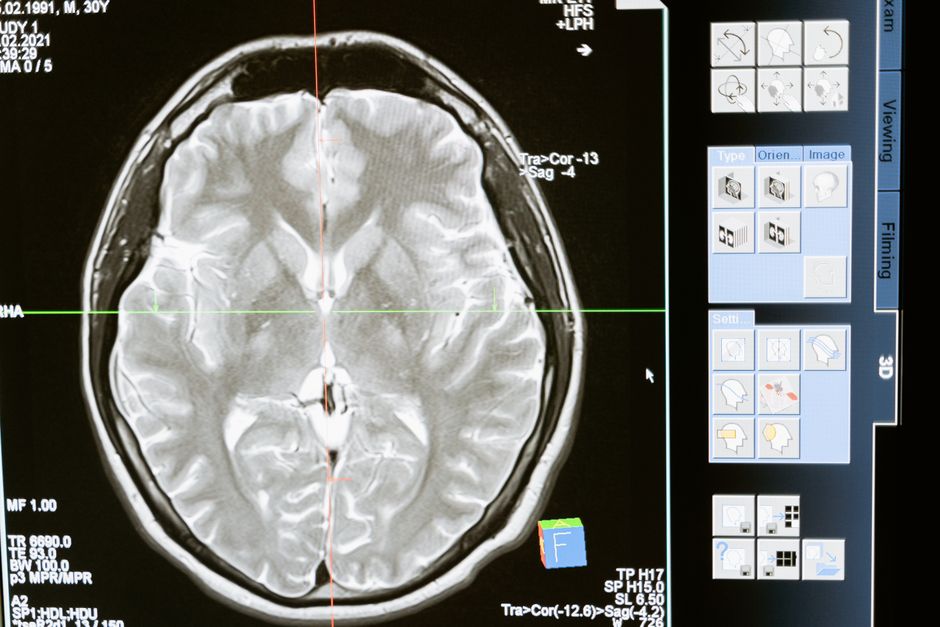
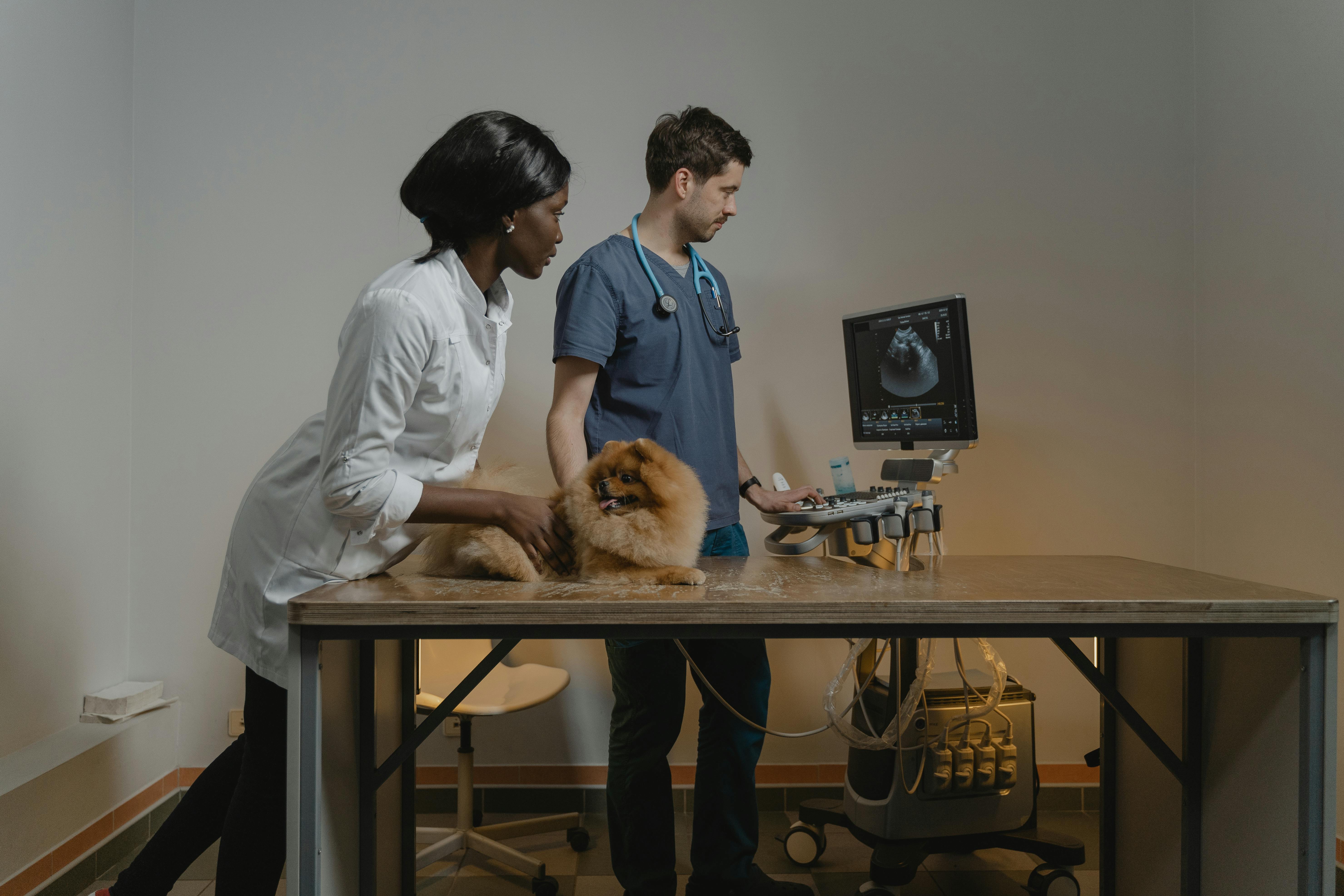
Pet diagnostic imaging refers to a collection of non-invasive tests that help veterinarians look inside your pet’s body without surgery. This field has grown tremendously in recent years, with CT scans, fluoroscopy, and other advanced techniques now available for dogs and cats. These technologies allow the veterinary team to visualize bones, organs, blood vessels, and even subtle tissue changes, often revealing problems that routine exams or standard X-rays might miss. At Mobile Pet Imaging, our mobile service means that your pet can access these advanced diagnostics without the added stress of a referral to a specialty hospital or unfamiliar facility. We come to your veterinarian’s clinic, providing seamless, high-quality imaging while your pet remains in a familiar environment.
When Should You Consider Diagnostic Imaging for Your Pet?
Sometimes, the need for pet diagnostic imaging is clear—such as after an accident or when your veterinarian suspects a serious illness. Other times, the signs are more subtle, and imaging is used to uncover hidden causes of chronic or recurring problems. Common situations where your veterinarian might recommend imaging include persistent limping, unexplained weight loss, chronic coughing, trouble swallowing, seizures, or recurrent digestive upset. Additional warning signs are sudden vision loss, ongoing pain that doesn’t improve with rest, or a mass that can be felt under your pet’s skin. In many cases, these symptoms may be caused by something simple, but imaging is the tool that helps rule out more serious conditions and guides the most effective treatment plan for your dog or cat.
What Conditions Can Pet Diagnostic Imaging Detect?
Tumors and Cancer
One of the most important uses of diagnostic imaging in pets is to detect tumors and cancers. CT scans are especially valuable for identifying growths in the chest, abdomen, nasal passages, and brain. These three-dimensional images allow veterinarians to determine the size, location, and even the type of tumor, which is essential for planning surgery or other treatments. For a closer look at how CT scans are used for detecting complex conditions, you can visit our CT scans for pets page.
Dental and Oral Health Problems
Dental disease is extremely common in both dogs and cats. CT imaging provides detailed views of the teeth, jawbone, and sinuses, making it possible to uncover infected roots, bone loss, or hidden abscesses that may be causing pain or chronic infections. This level of detail is not possible with standard dental X-rays, which is why mobile CT is increasingly used for dental diagnostics in pets.
Ear, Nose, and Throat Disorders
Chronic ear infections, nasal discharge, noisy breathing, or trouble swallowing can all be signs of deeper issues within the head or neck. Advanced imaging helps veterinarians see inside these complex areas, revealing problems such as polyps, tumors, foreign bodies, or congenital abnormalities. This is especially helpful for breeds prone to airway disorders, such as Bulldogs or Persian cats, where early and accurate diagnosis is essential for effective treatment.
Neurologic and Spinal Conditions
If your pet is experiencing seizures, weakness, loss of balance, or unexplained pain, imaging is often the key to diagnosing neurologic and spinal problems. CT scans can reveal slipped discs, spinal fractures, brain tumors, and other abnormalities that affect mobility or behavior. Early detection gives your veterinarian more options for managing or even reversing these conditions.
Bone and Joint Issues
Dogs and cats are both prone to injuries and degenerative joint disease. Imaging is invaluable for diagnosing fractures, arthritis, ligament tears, and bone infections. In many cases, CT scans offer a much clearer picture than traditional X-rays, helping your veterinarian plan the most effective course of action.
Chest and Abdominal Concerns
Coughing, labored breathing, vomiting, or unexplained abdominal pain can be symptoms of problems inside your pet’s chest or belly. Diagnostic imaging makes it possible to identify pneumonia, heart tumors, foreign objects, or blockages that could be life-threatening if not treated quickly. Advanced imaging also plays a crucial role in diagnosing liver, kidney, and gastrointestinal diseases, especially when blood tests or standard X-rays are inconclusive.
For more details on the different types of imaging available and what they can reveal, our overview of imaging services for pets provides additional information.
Why Do These Conditions Occur? Understanding the Causes
There are many reasons why your veterinarian may recommend pet diagnostic imaging. Tumors or cancers can develop due to age, genetic predisposition, or environmental factors. Dental diseases are often the result of plaque buildup or untreated infections, while ear and nasal disorders may be caused by chronic inflammation, allergies, or foreign objects. Neurologic problems can occur after trauma, infection, or due to inherited disorders. Bone and joint issues may be linked to injury, aging, obesity, or breed-specific risks. Finally, chest and abdominal problems might arise from infections, blockages, or underlying organ dysfunction. Understanding the root cause of your pet’s symptoms is the first step toward effective treatment, and imaging is the tool that provides these crucial answers.
What Happens During a Pet Diagnostic Imaging Appointment?
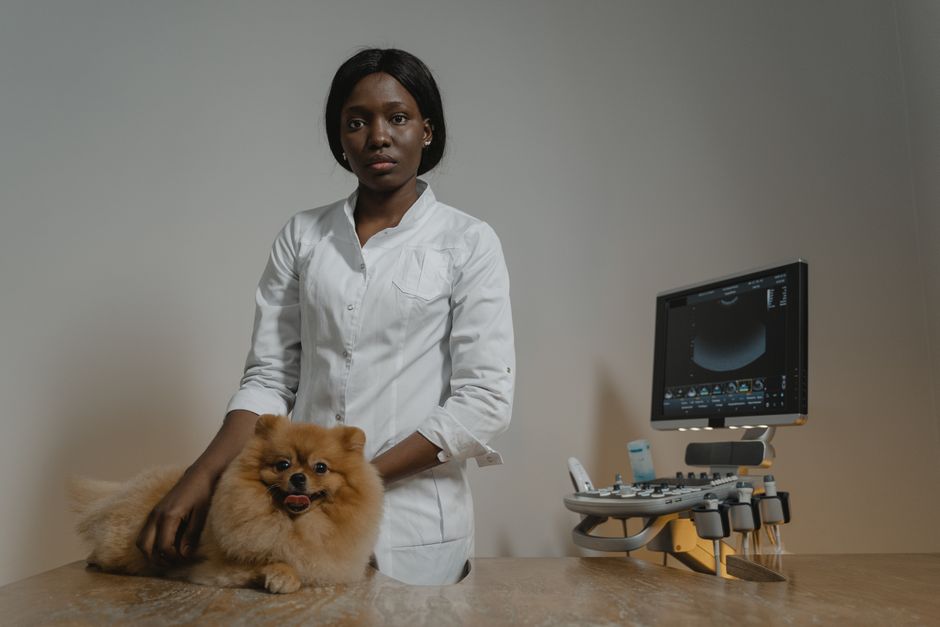
When your veterinarian recommends advanced imaging, Mobile Pet Imaging brings the latest equipment directly to your clinic. The process is typically stress-free for pets, as our veterinary professionals use gentle handling and sedation when needed to ensure comfort and safety. For most CT scans, your pet will be positioned carefully on a padded table, and the scan itself takes just a few minutes. Fluoroscopy and fine needle aspirates may be performed in conjunction with imaging, depending on what your veterinarian needs to see. Once the images are captured, a board-certified radiologist interprets the results and provides a detailed report, which your regular veterinarian uses to plan next steps. If you are interested in the differences between CT and other imaging techniques, such as ultrasound, you may find our resource on CT versus ultrasound for liver enzymes in pets helpful.
How Can Pet Owners Help Prevent Serious Health Issues?
While some conditions discovered through diagnostic imaging are out of your control, many can be prevented or managed with regular veterinary care and attention at home. Ensuring your pet receives routine check-ups, dental cleanings, vaccinations, and parasite prevention helps reduce the risk of many common illnesses. Observing your pet for subtle changes—such as decreased activity, changes in appetite, or trouble moving—can lead to earlier intervention. Keeping your home free of hazards, feeding a balanced diet, and providing regular exercise also support overall health. If your veterinarian recommends imaging as part of a health plan, it’s because they want the best possible outcome for your dog or cat.
When Should You Seek Professional Imaging for Your Pet?
If your pet is showing any of the warning signs mentioned earlier—such as unexplained pain, persistent coughing, sudden changes in behavior, or a lump you can feel—it is important to consult with your veterinarian promptly. In many cases, early imaging can mean the difference between a treatable condition and one that becomes more serious over time. Your veterinarian will guide you on the best timing and type of imaging for your pet’s unique situation. For questions about when advanced imaging is appropriate, our guidance on when to call Mobile Pet Imaging can help clarify what to expect.
The Benefits of Mobile Diagnostic Imaging for Miami Pet Owners
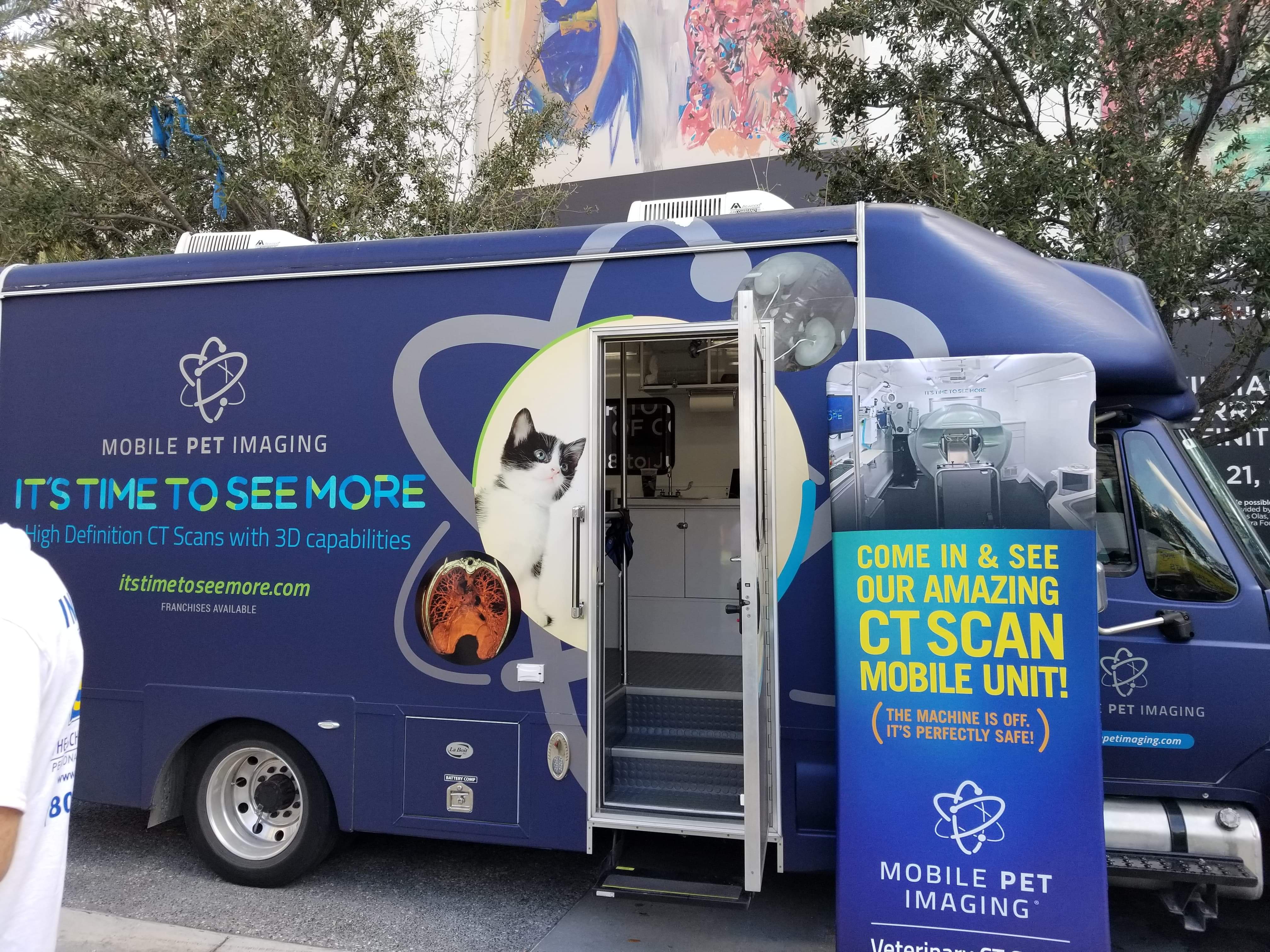
Choosing a mobile imaging service offers significant advantages for both pets and their owners. With Mobile Pet Imaging, you avoid the added stress of traveling to unfamiliar specialty hospitals and can access advanced diagnostics in the comfort of your regular clinic. Our team supports veterinarians throughout Miami and surrounding communities, ensuring a seamless experience and faster results. The convenience of mobile imaging means less waiting, less travel, and a more comfortable process for your dog or cat—especially if they are anxious, elderly, or have chronic medical needs.
Take the Next Step: Fast, Compassionate Imaging When Your Pet Needs It Most
When your pet’s health is uncertain, answers matter. At Mobile Pet Imaging, we are dedicated to providing compassionate, accurate pet diagnostic imaging right where you need it. Our mobile service brings peace of mind to Miami pet owners, offering advanced CT scans, fluoroscopy, and other imaging options with minimal stress for your animal. If your veterinarian has recommended diagnostic imaging or you are searching for a "mobile vet near me" that offers state-of-the-art technology, we are here to help. Visit our FAQ page about pet imaging procedures for more information, or call us at (305) 733-0673 to discuss how we can support you and your pet. You can also find us at 12968 Southwest 132nd Avenue, Miami, FL for mobile imaging appointments at your local clinic. Let us help you get the answers your pet deserves, so you can focus on what matters most: their health and happiness.
This blog is intended for informational purposes only and does not replace professional veterinary advice. Always consult your veterinarian for specific questions about your pet’s health or diagnostic needs.