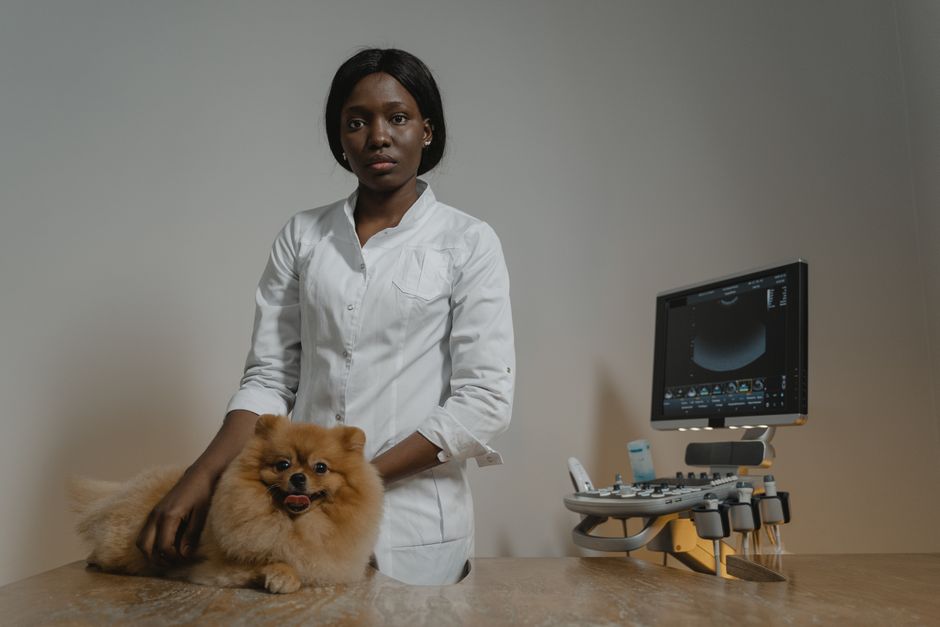

Pet Diagnostic Imaging: Preparing Your Dog or Cat for a CT Scan
Pet Diagnostic Imaging: Preparing Your Dog or Cat for a CT Scan
If your veterinarian has recommended a CT scan for your dog or cat, you may be feeling a mix of concern and uncertainty about what to expect. Pet diagnostic imaging plays a vital role in unraveling complex health issues, and CT scans are among the most advanced, detailed tools available for evaluating your pet’s health. At Mobile Pet Imaging, we bring mobile CT imaging services directly to veterinary clinics or locations in Miami, FL and surrounding communities. This in-home approach ensures stress-free diagnostic care for your pet and unmatched convenience for you and your veterinarian. In this blog, we will walk you through the process of preparing your pet for a CT scan, outline what to expect on the day of imaging, and show you how our mobile service takes the worry out of advanced diagnostics. Whether you are new to pet diagnostic imaging or want to understand how in-home care works, our team is here to help every step of the way. For a visual guide to CT scans and step-by-step explanations, you can also explore our visual guide explaining CT scans for pets.
When Does Your Pet Need Diagnostic Imaging?
It can be stressful when your veterinarian suggests advanced diagnostic tests for your dog or cat. Pet diagnostic imaging, especially CT scans, is typically recommended when routine exams, bloodwork, or X-rays are not enough to pinpoint the cause of your pet’s symptoms. Common reasons your veterinarian may suggest a CT scan include persistent coughing, unexplained weight loss, lameness, chronic nasal discharge, or a recurring issue that is not resolving with standard treatment. Sometimes, CT imaging is also used to plan for surgery, assess dental disease beneath the gumline, or evaluate for tumors and internal injuries.
If your pet has shown ongoing symptoms such as difficulty breathing, unexplained swelling, or neurological signs like seizures or balance problems, your veterinarian may turn to CT scans for a clearer view. Advanced imaging is also valuable when monitoring chronic conditions or checking for the spread of disease. The ability to see detailed cross-sectional images allows for a more accurate diagnosis and targeted treatment plan, minimizing guesswork and unnecessary procedures.
Understanding Why CT Scans Are Used for Pets
CT (computed tomography) scans use X-rays and computer technology to produce highly detailed images of your pet’s body. Unlike traditional X-rays, which provide a flat image, CT scans create three-dimensional views that help veterinarians examine areas like the head, chest, abdomen, spine, and joints with exceptional clarity. For pets, this means a more accurate diagnosis of conditions such as internal bleeding, bone fractures, dental abscesses, tumors, or vascular issues.
There are many factors that contribute to the need for advanced pet diagnostic imaging. Some problems, such as chronic nasal discharge or persistent lameness, are difficult to evaluate with standard tools. In these cases, CT scans can reveal hidden infections, foreign objects, or subtle changes in bone and soft tissue. Additionally, CT imaging is invaluable for guiding treatment in complex dental cases and surgical planning, ensuring the best possible outcome for your pet. For more information on how CT scans compare to other imaging options, such as ultrasound, especially for evaluating liver conditions, you may find our comparison of CT scans and ultrasound for evaluating elevated liver enzymes in pets helpful.
What to Expect: The Mobile Pet Imaging CT Scan Process
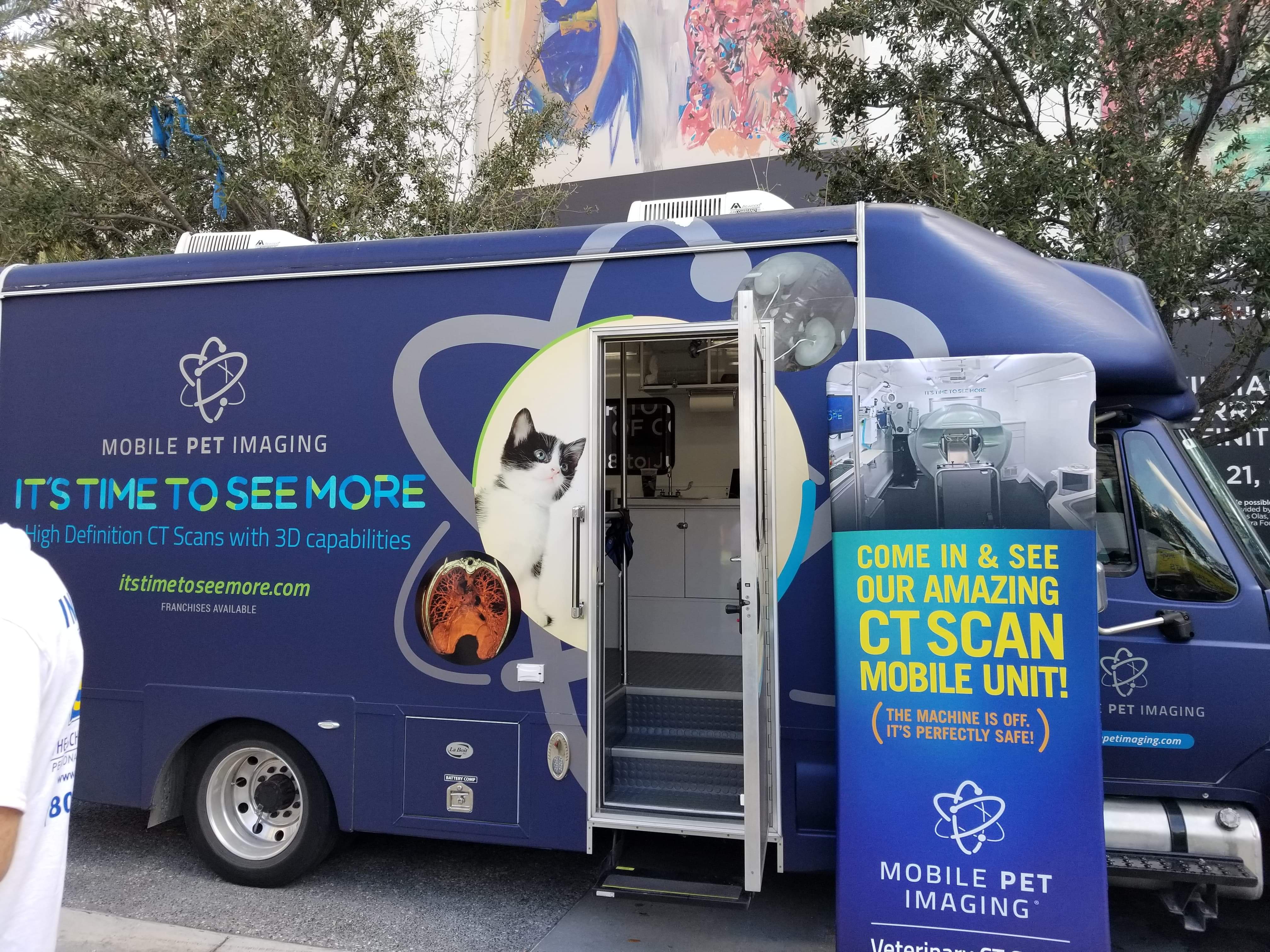
Knowing what will happen on the day of your pet’s CT scan can ease anxiety for both you and your pet. At Mobile Pet Imaging, we work closely with your primary veterinarian to ensure a seamless experience from start to finish. Our mobile CT imaging unit arrives at your veterinary clinic or a designated location in Miami, so your pet does not have to travel far or wait in an unfamiliar hospital.
The process usually begins with a brief physical exam to confirm your pet is ready for the procedure. Because pets need to remain completely still during the CT scan, a short-acting sedative or general anesthesia is commonly used. This keeps your dog or cat safe and comfortable throughout the imaging process. Our veterinary professionals monitor your pet closely before, during, and after the scan to ensure their well-being.
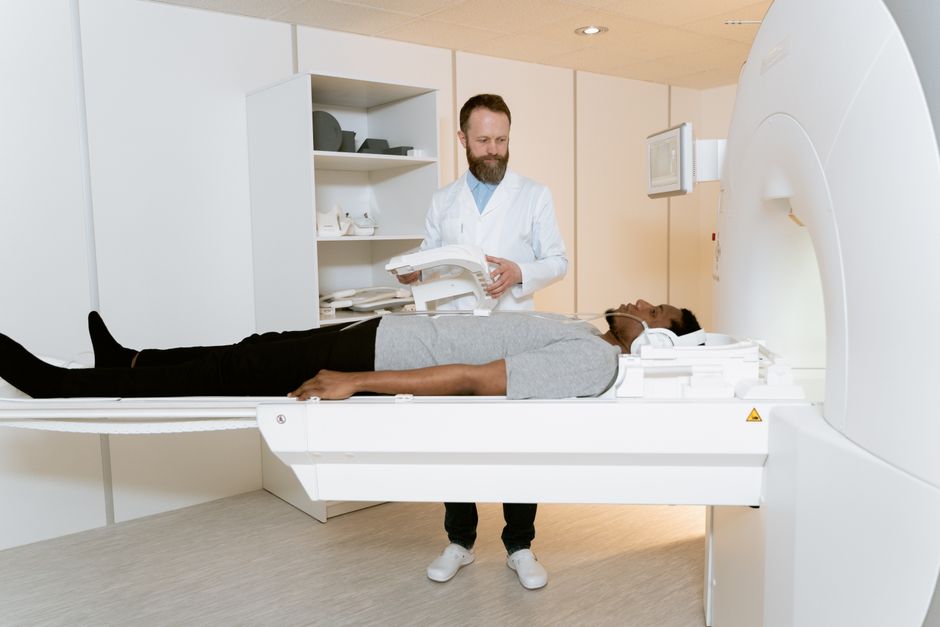
Once your pet is relaxed, the team positions them on the CT table, and the scan begins. Most CT scans are completed within a matter of minutes. Afterward, your pet is monitored as they wake up from sedation, and you will receive instructions on what to watch for as your pet recovers at home. The images are then reviewed by your veterinarian and, if needed, a board-certified veterinary radiologist. Results are typically available within a day or two, allowing your veterinarian to discuss a treatment plan without delay. For a step-by-step overview of the CT process and what to expect, our visual guide to CT scans for pets offers additional reassurance.
Preparing Your Dog or Cat for a CT Scan
One of the biggest advantages of choosing Mobile Pet Imaging is the comfort and convenience we provide for both you and your pet. Preparing for a CT scan is straightforward, and our veterinary team will provide detailed instructions in advance. Generally, you will be asked to withhold food from your pet for several hours before the procedure; this helps reduce the risk of vomiting while under sedation or anesthesia. Water may be allowed until a certain time, but your veterinarian will specify any exceptions if your pet has special needs or medical conditions.
If your pet takes regular medications, let your veterinarian know in advance, as some may need to be adjusted on the day of the scan. Make sure your dog or cat is clean and free of external parasites, as this helps maintain a sterile environment for imaging. Before the scan, try to ensure your pet gets a chance to relieve themselves and is calm and comfortable. Bringing a familiar blanket or toy can also help ease anxiety while waiting for the procedure.
If your pet has a known history of anesthesia sensitivity or underlying health concerns, mention this to your veterinary team. They will take extra precautions to monitor your pet and keep them safe throughout the process. At Mobile Pet Imaging, we are committed to minimizing stress for your pet and providing clear communication at every step.
How to Support Your Pet’s Recovery After Imaging
After the CT scan, most pets recover quickly from sedation or anesthesia and can return home the same day. It is normal for your dog or cat to be a little sleepy or unsteady for a few hours as the medication wears off. Provide a quiet, comfortable space where your pet can rest and be sure they have access to fresh water. You may notice your pet is less interested in food or play for the rest of the day; this is generally not a cause for concern, but always follow the specific aftercare instructions provided by your veterinary team.
Monitor your pet for any unusual symptoms such as persistent vomiting, difficulty breathing, or extreme lethargy. If you notice anything concerning or if your pet does not return to normal within 24 hours, contact your veterinarian right away. The recovery process is usually smooth, and most pets resume their regular activities quickly. Your veterinarian will discuss the CT scan results with you and outline the next steps for treatment or follow-up care as needed.
When to Seek Veterinary Attention for Diagnostic Imaging
Understanding when to pursue advanced pet diagnostic imaging can be challenging. If your pet experiences ongoing symptoms that are not improving with standard care—such as persistent coughing, unexplained pain, trouble walking, or recurring infections—it may be time to discuss CT imaging with your veterinarian. Sudden changes in behavior, the appearance of new lumps or swellings, or symptoms that return after treatment also warrant further investigation.
In emergency situations, such as trauma or suspected internal injuries, rapid imaging is often critical. While Mobile Pet Imaging works by scheduled appointments with your veterinarian, we strive to accommodate urgent cases whenever possible to ensure your pet receives timely care. Always rely on your primary veterinarian’s guidance when it comes to the need for advanced imaging, and do not hesitate to ask questions about the benefits and risks.
For answers to common questions about mobile CT imaging, you can visit our frequently asked questions about Mobile Pet Imaging services and pet diagnostic imaging to learn more about how the process works and what to expect.
The Value of In-Home and On-Site CT Imaging for Your Pet
Traditional veterinary hospitals require you to transport your pet and wait in a busy clinic environment. With Mobile Pet Imaging, you benefit from in-home care and stress-free home visits, as we come directly to your veterinarian’s clinic or a convenient location near you. This model is especially helpful for pets who are anxious, elderly, or have mobility issues. By minimizing travel and unfamiliar environments, we help ensure your pet’s comfort and safety.
Our mobile CT imaging service covers Miami, FL and surrounding communities, so you can access advanced diagnostics without leaving your local area. We work closely with your veterinarian to deliver seamless, high-quality care. Whether your pet needs imaging for dental, surgical, or internal medicine concerns, our team is dedicated to making the process as smooth as possible for everyone involved.
Frequently Asked Questions About Pet Diagnostic Imaging
Pet owners often have questions about how CT scans differ from other forms of imaging and when they are truly necessary. CT scans are particularly useful when a standard X-ray or ultrasound cannot provide enough detail. For example, dental disease beneath the gumline, complex bone injuries, or masses in the chest or abdomen are often best evaluated with CT imaging. The procedure is safe, and the risk associated with short-term anesthesia is low; however, every case is assessed individually to ensure your pet’s safety.
If you would like to dive deeper into the differences between CT and ultrasound, especially for evaluating conditions like elevated liver enzymes, our comparison of CT scans and ultrasound for evaluating elevated liver enzymes in pets provides additional insight. You can also find an extensive overview of our imaging process and helpful visuals in our visual guide explaining CT scans for pets.
Choose Mobile Pet Imaging for Stress-Free Pet Diagnostic Imaging in Miami
Choosing pet diagnostic imaging for your dog or cat is an important step toward uncovering the root of their health concerns and providing targeted treatment. At Mobile Pet Imaging, we are dedicated to making advanced CT imaging as convenient and comfortable as possible for both your pet and your family. Our in-home care and stress-free home visits mean you get the expertise of a specialized imaging team right where you need it—no need to search endlessly for a mobile vet near me.
If your veterinarian has recommended a CT scan or you want to learn more about how pet diagnostic imaging can help your furry family member, reach out to our team of veterinary professionals. You can contact us at (305) 733-0673 or visit us at 12968 Southwest 132nd Avenue, Miami, FL. We proudly serve Miami and surrounding communities, working hand in hand with your primary veterinarian to provide the best possible care. For more information on our CT scan services and how they help diagnose conditions in pets, explore our information about veterinary CT scans and how they help diagnose conditions in pets. When you want the peace of mind that comes with expert, compassionate imaging, Mobile Pet Imaging is here to help every step of the way.
Disclaimer: This blog is for informational purposes only and does not replace professional veterinary advice. Always consult your veterinarian regarding your pet’s specific health needs.