
How Pet Diagnostic Imaging Detects Hidden Summer Illnesses
How Pet Diagnostic Imaging Detects Hidden Summer Illnesses
Summer in Miami brings plenty of sunshine and fun, but it also creates unique health challenges for dogs and cats. If you’re worried about your pet’s well-being during the hot, humid months, you’re not alone. Many summer illnesses can develop beneath the surface, making early detection difficult without advanced tools. That’s where pet diagnostic imaging comes in. At Mobile Pet Imaging, we provide cutting-edge, stress-free care right in the comfort of your home or veterinary clinic. Our mobile CT imaging services travel throughout Miami and surrounding communities, such as Kendall, Sweetwater, and Westchester, to bring advanced diagnostics directly to your veterinarian’s doorstep.
In this blog, we’ll explore how pet diagnostic imaging uncovers hidden summer health issues like heat stress, respiratory problems, and internal injuries. You’ll learn what symptoms to watch for, how these conditions develop, and how modern imaging—such as CT scans and fluoroscopy—can help your veterinary team diagnose and treat your pet quickly. We’ll also explain how our mobile model makes life easier for both pets and owners in South Florida. For those interested in the technology behind these services, you can read our visual guide to CT scans for pets to better understand the process.
Recognizing the Signs: When Does Your Pet Need Diagnostic Imaging?
Miami’s hot climate can mask subtle signs of illness, especially in active dogs and indoor cats who may not show obvious symptoms right away. Summer illnesses can range from heat-related exhaustion to less visible problems like airway inflammation or internal trauma. Early warning signs that your pet may need diagnostic imaging include persistent panting, labored breathing, coughing, unexplained lethargy, weakness, excessive drooling, sudden changes in appetite, or collapse after exercise. In cats, you might notice open-mouth breathing, hiding, or rapid shallow breaths.
Some pets develop swelling or lumps after minor injuries or insect bites that are hard to assess without imaging. Others may struggle with recurring vomiting, diarrhea, or abdominal pain, especially after playing outdoors or scavenging. These symptoms can point to a range of underlying problems, from foreign objects and heat stroke to organ dysfunction. Because many of these signs overlap with minor issues, it’s easy for pet owners to overlook them until they become more severe.
If you notice unusual symptoms in your dog or cat during the summer—especially if they persist for more than a day or seem to worsen—consult with your veterinarian. Your veterinary team may recommend advanced imaging to get a clearer picture of what’s happening inside your pet’s body.
Why Do Summer Illnesses Hide? Understanding the Causes
Miami’s tropical climate puts extra strain on pets, particularly those with thick coats, short noses, or underlying health conditions. Dogs and cats regulate their body temperature differently than humans, relying on panting and limited sweating through their paw pads. When temperatures soar and humidity rises, their natural cooling mechanisms become less effective.
Heatstroke is a leading concern, especially for brachycephalic breeds like Bulldogs, Pugs, and Persian cats. These pets are more prone to airway collapse, swelling, and respiratory distress, which can be difficult to spot until a crisis occurs. Even healthy pets can develop problems after overexertion, getting trapped in hot spaces, or exposure to toxins and insects common in South Florida.
Internal injuries may result from playful roughhousing, falls from furniture or balconies, or hidden encounters with wildlife. Sometimes, even a small trauma leads to internal bleeding, bruising, or organ damage not visible from the outside. Additionally, summer can bring an uptick in allergic reactions, swelling, or infections that cause subtle but significant changes in your pet’s health.
Underlying health conditions, such as heart disease or cancer, may also become more apparent during periods of heat stress, when your pet’s body is under additional strain. Advanced imaging is essential for differentiating between heat-related stress and other serious problems.
How Pet Diagnostic Imaging Uncovers the Hidden Truth
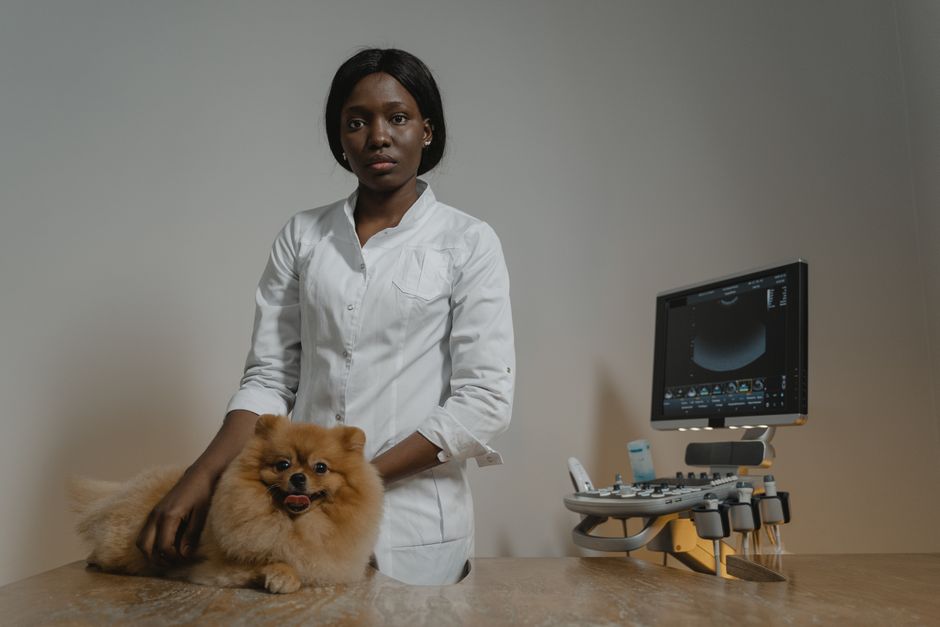
When your veterinarian suspects a hidden summer illness, pet diagnostic imaging becomes a powerful tool for quick, accurate answers. At Mobile Pet Imaging, we specialize in mobile CT scans, fluoroscopy, and fine needle aspirates, all designed to provide detailed images and real-time insights with minimal stress to your pet.
CT Scans: Capturing a Complete Picture
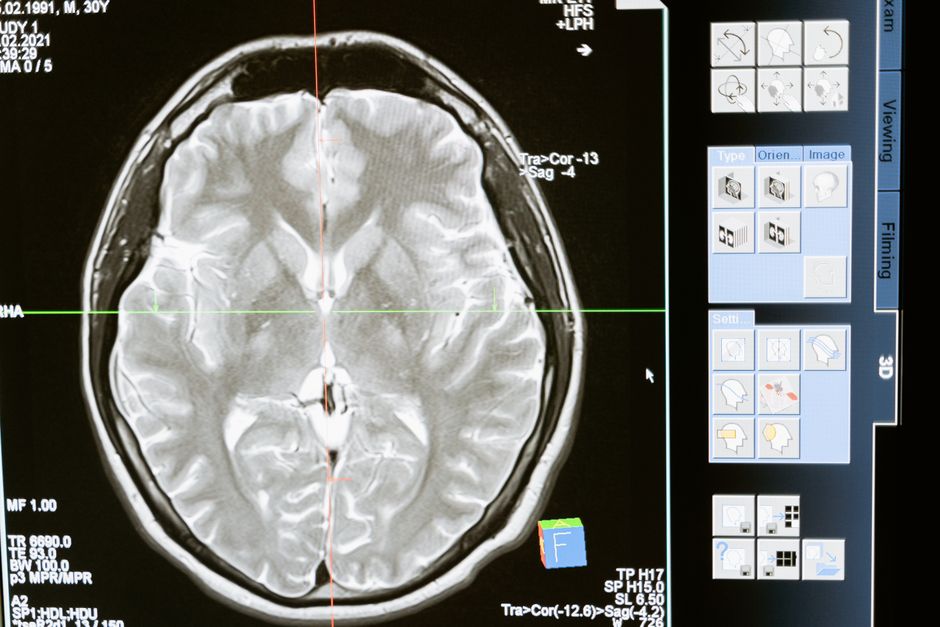
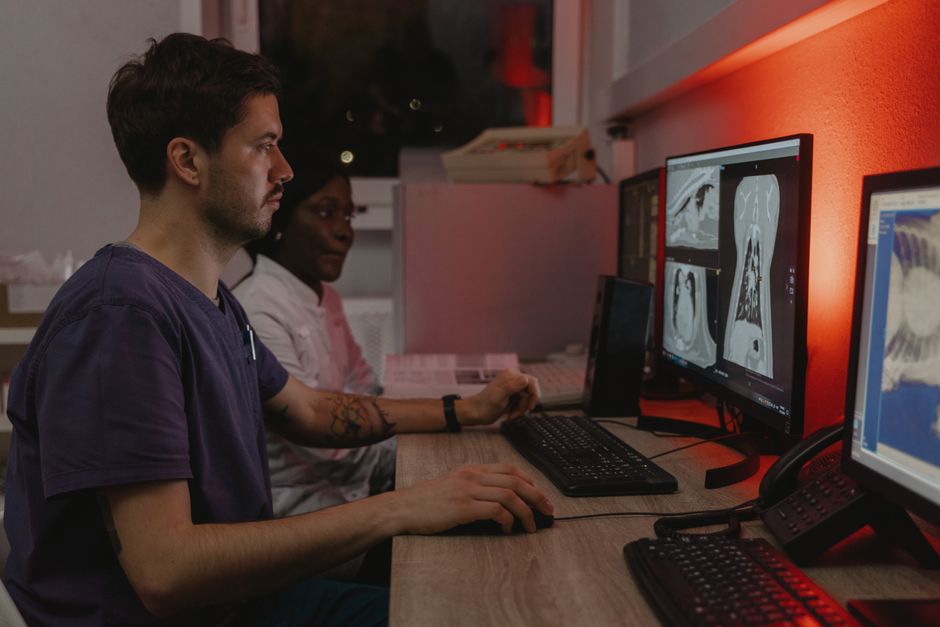
CT (computed tomography) scans use advanced technology to create three-dimensional images of your pet’s organs, bones, and tissues. This allows your veterinary team to detect problems like internal bleeding, tumors, lung disease, or structural changes after trauma. Because CT scans are highly sensitive, they can identify abnormalities that might not appear on standard X-rays.
For example, a dog suffering from persistent coughing and lethargy after spending time outdoors might have inhaled a foreign object or developed airway swelling. A CT scan can pinpoint the exact location and severity of the problem, helping your veterinarian plan the best course of action. Learn more about the benefits and process of CT scans for pets on our website.
Fluoroscopy: Real-Time Imaging for Airway and Swallowing Issues
Fluoroscopy provides real-time, moving images that are especially useful for evaluating your pet’s breathing, swallowing, or gastrointestinal function. This technology is invaluable when diagnosing airway collapse in short-nosed breeds or identifying swallowing difficulties after heat exposure or injury. Fluoroscopy can help your veterinary team decide whether your pet needs surgery, medication, or supportive care. To understand more about this technology, visit our page on fluoroscopy veterinary services.
Fine Needle Aspirates: Minimally Invasive Answers
If your pet develops a new lump or swelling during the summer months, your veterinarian may use fine needle aspirates to collect a small sample for analysis. This minimally invasive technique, guided by imaging, helps diagnose infections, allergic reactions, or cancer without the need for surgery. For more details, see our explanation of fine needle aspirates for pets.
Preventing Summer Illnesses: What Pet Owners Can Do at Home
While advanced imaging is crucial for diagnosis, prevention starts at home. In Miami’s humid climate, keeping your pet safe requires extra vigilance. Always provide fresh, cool water and shade for your dog or cat, whether indoors or outdoors. Limit walks and playtime to early morning or late evening when temperatures are lower. Never leave your pet in a parked car, even briefly, as temperatures can rise rapidly.
Watch for early signs of heat stress, such as excessive panting, drooling, or reluctance to move. For brachycephalic breeds, consider using cooling mats or vests and keep them in air-conditioned spaces as much as possible. Regular grooming to remove excess fur can also help reduce overheating risks.
Check your yard and home for hazards like toxic plants, insect nests, or small objects that could be swallowed. During summer storms, ensure windows and balconies are secure to prevent falls. If your pet is prone to allergies, work with your veterinarian to manage flare-ups and monitor for skin infections or swelling.
When to Seek Veterinary Care (And How Mobile Imaging Helps)
Some summer illnesses can escalate rapidly, making timely veterinary care essential. Seek immediate help if your pet collapses, has difficulty breathing, develops sudden swelling, or shows signs of severe pain. Because symptoms may appear mild at first, don’t hesitate to contact your veterinarian if you notice any changes in your pet’s behavior, appetite, or energy that last more than a day.
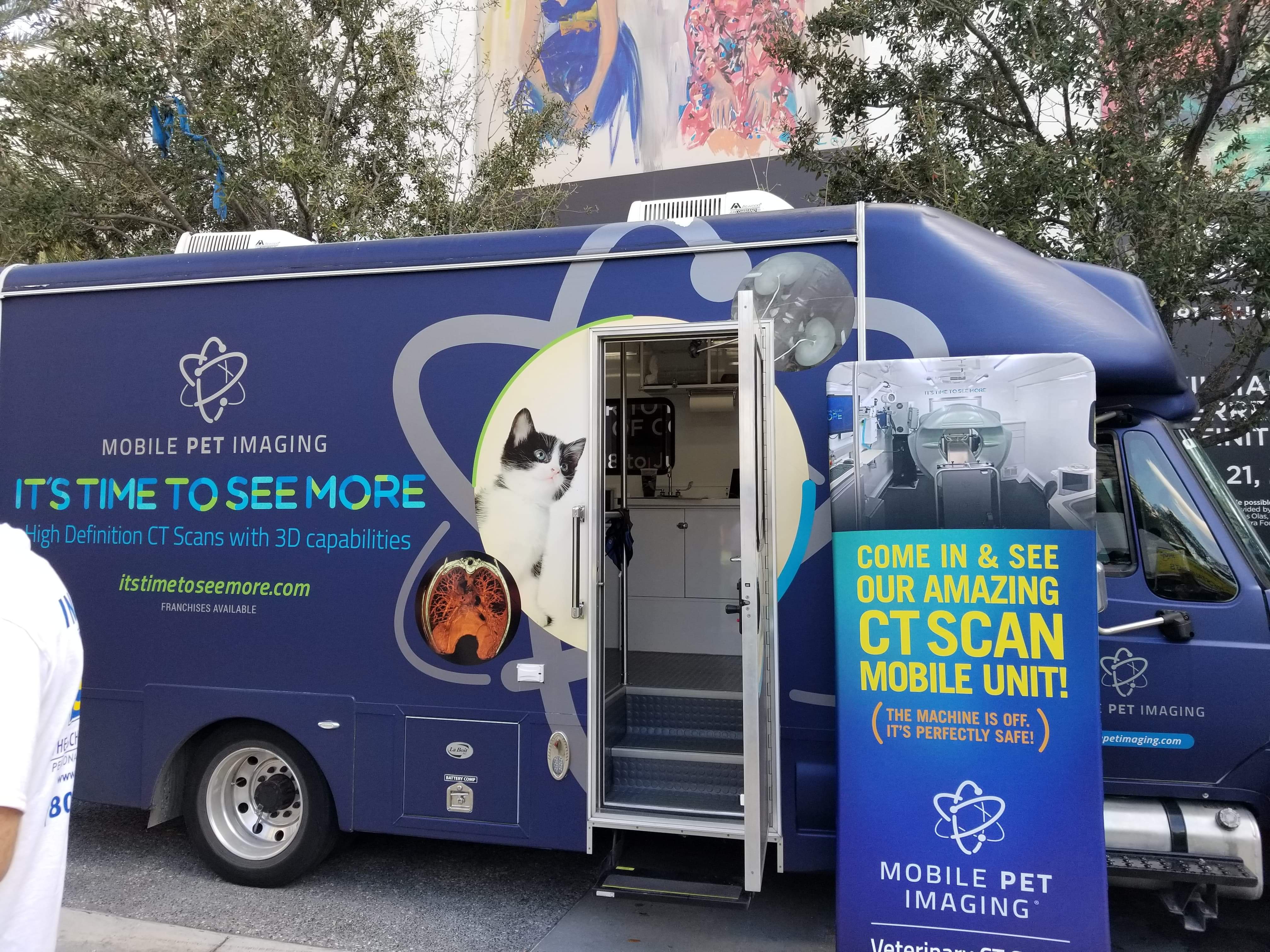
Mobile Pet Imaging partners directly with your local veterinarian to provide advanced imaging wherever it’s needed—in your home or at your regular clinic. Our mobile model reduces the stress of travel for pets and eliminates long wait times for specialty appointments. We come to you, making it easier for your veterinary team to access the diagnostic tools they need, right when your pet needs them most.
If you are looking for a "mobile vet near me" who can offer advanced imaging and collaborative care, our team brings the latest technology to your neighborhood in Miami and surrounding communities.
Why Choose Mobile Pet Imaging for Your Pet’s Summer Health
When the Miami heat puts your dog or cat at risk, having access to advanced pet diagnostic imaging can make all the difference. Our mobile CT, fluoroscopy, and fine needle aspirate services deliver rapid answers and help your veterinary team tailor the best treatment plan for your pet. By providing care in the comfort of your home or local clinic, we minimize stress for both you and your pet, supporting better outcomes and peace of mind.
If you’re concerned about hidden summer illnesses or want to learn more about our imaging options, browse our comprehensive animal imaging services or view case studies of prior diagnostic imaging in pets to see real-world examples.
To schedule advanced pet diagnostic imaging in Miami, Kendall, Sweetwater, Westchester, or another nearby community, ask your veterinarian to contact Mobile Pet Imaging. We are dedicated to supporting your pet’s health with state-of-the-art technology and a compassionate approach. For more information, call (305) 733-0673 or visit us at 12968 Southwest 132nd Avenue, Miami, FL. Your pet’s comfort and safety are always our priority—let us bring the best in veterinary imaging to you.
Medical disclaimer: This blog is for informational purposes only and should not be used as a substitute for professional veterinary care. Always consult your veterinarian if you have concerns about your pet’s health.