
How Advanced Imaging Helps Uncover Unexplained Pet Symptoms

How Advanced Imaging Helps Uncover Unexplained Pet Symptoms
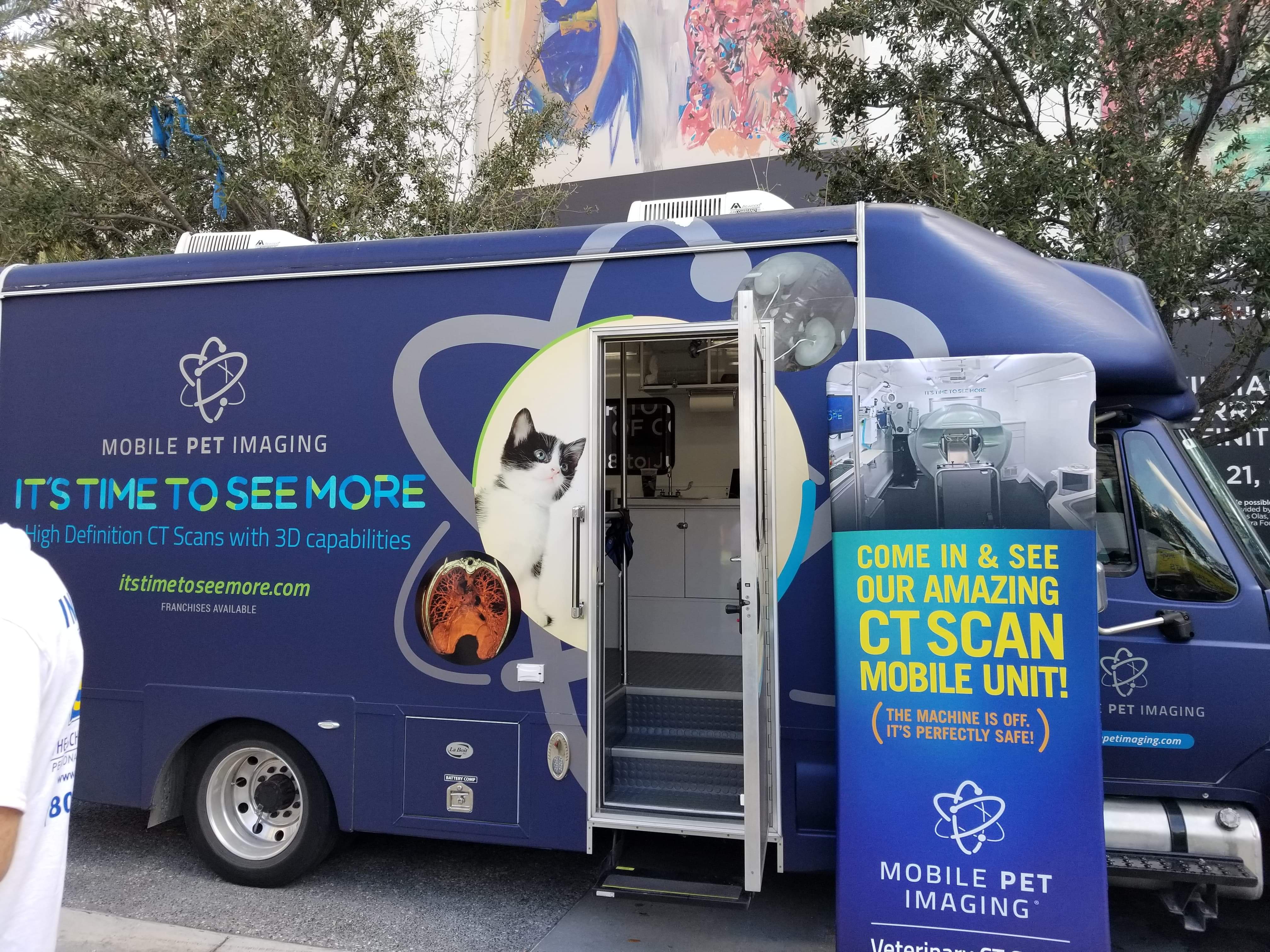
When your pet is struggling with symptoms that seem to come out of nowhere, it can feel overwhelming and even frightening. Whether your dog is suddenly limping without an obvious injury or your cat is experiencing chronic coughing with no clear cause, not knowing what’s wrong can leave you searching for answers. Advanced pet imaging provides a crucial tool for unlocking these medical mysteries, offering a pathway to faster, more accurate diagnoses. At Mobile Pet Imaging, our veterinary team brings the latest in CT scans and fluoroscopy directly to your home in Miami and surrounding communities, making advanced pet imaging in Monroe, Miami-Dade, Broward, Palm Beach, Orange, and Tampa area more accessible and comfortable for both you and your pet.
For Monroe, Miami-Dade, Broward, Palm Beach, Orange, and Tampa-area pet owners searching for a "mobile veterinarian near me" or advanced pet diagnostics that don’t require a stressful clinic visit, our mobile service delivers personalized attention in the comfort of your home. In this post, we’ll explore how advanced imaging can help identify the causes behind unexplained pet symptoms, what the process involves, and why in-home imaging can provide peace of mind when your pet needs answers. If you’re wondering when to consider a CT scan or fluoroscopy, or how these technologies can benefit your pet, you’ll find practical guidance throughout this guide. You can also discover more about the advanced imaging services we provide by visiting our page on comprehensive imaging services available for pets.
Recognizing When Advanced Imaging Is Needed for Unexplained Pet Symptoms
Every pet parent is in tune with their animal’s normal behavior. When something changes—like a sudden loss of appetite, persistent vomiting, unexplained pain, or difficulty breathing—it’s natural to feel concerned. Sometimes, a physical exam and routine diagnostics don’t provide clear answers. This is when advanced pet imaging steps in, offering a deeper look inside your pet’s body to uncover hidden problems.
Key symptoms that may prompt your veterinarian to recommend advanced imaging include unexplained limping, persistent coughing, abnormal swelling, ongoing digestive issues, sudden neurological changes such as seizures or disorientation, and chronic pain without a clear cause. For example, a dog who begins limping but has no visible wound, or a cat who suddenly loses weight despite eating normally, could both benefit from further investigation through imaging. If your pet has undergone standard tests—like bloodwork or X-rays—that have not explained their symptoms, your veterinarian may suggest a CT scan or fluoroscopy to gather more detailed information.
Unexplained pet symptoms often leave owners feeling helpless, especially when their furry companion is uncomfortable or distressed. Advanced imaging technologies like CT scans and fluoroscopy allow for non-invasive, high-definition views of internal structures, helping to detect issues that would otherwise remain hidden. For those searching for a "mobile vet near me" who can provide these services without the stress of travel, in-home imaging is an ideal solution.
Understanding the Causes Behind Unexplained Pet Symptoms
Unexplained symptoms can have a range of underlying causes, many of which are not visible during a typical physical exam. Conditions such as tumors, internal injuries, foreign body ingestion, herniated discs, or congenital anatomical abnormalities can all present with vague or confusing signs. In Miami’s warm and humid climate, pets may also be exposed to unique environmental risks, including certain toxins or parasites that can lead to unusual clinical signs.
For instance, a pet with persistent coughing may have airway inflammation, a mass in the chest, or even aspiration pneumonia, while chronic vomiting or diarrhea might indicate gastrointestinal obstructions, pancreatitis, or organ dysfunction. Some neurological symptoms, such as sudden disorientation or difficulty walking, could point toward brain or spinal cord issues that require advanced imaging to diagnose accurately.
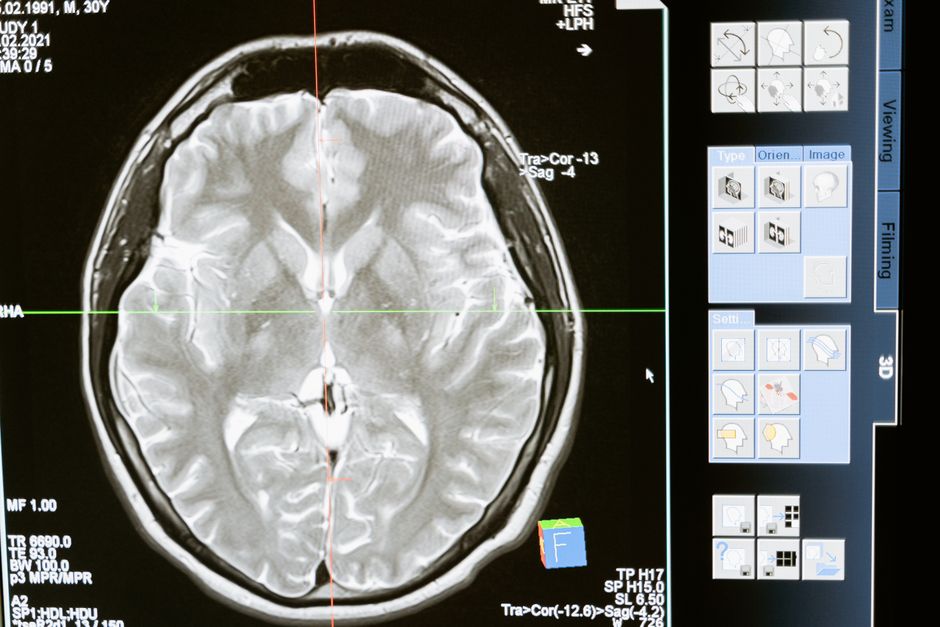
Veterinary professionals rely on advanced pet imaging in Monroe, Miami-Dade, Broward, Palm Beach, Orange, and Tampa area to differentiate between these complex conditions. CT scans use detailed three-dimensional images to reveal abnormalities in bones, organs, and soft tissues, while fluoroscopy provides real-time imaging to assess functions like swallowing or breathing. If you are interested in learning more about the technology and its applications, you can read our visual guide to CT scans for pet owners.
How Advanced Imaging Works: What to Expect During a Mobile Visit
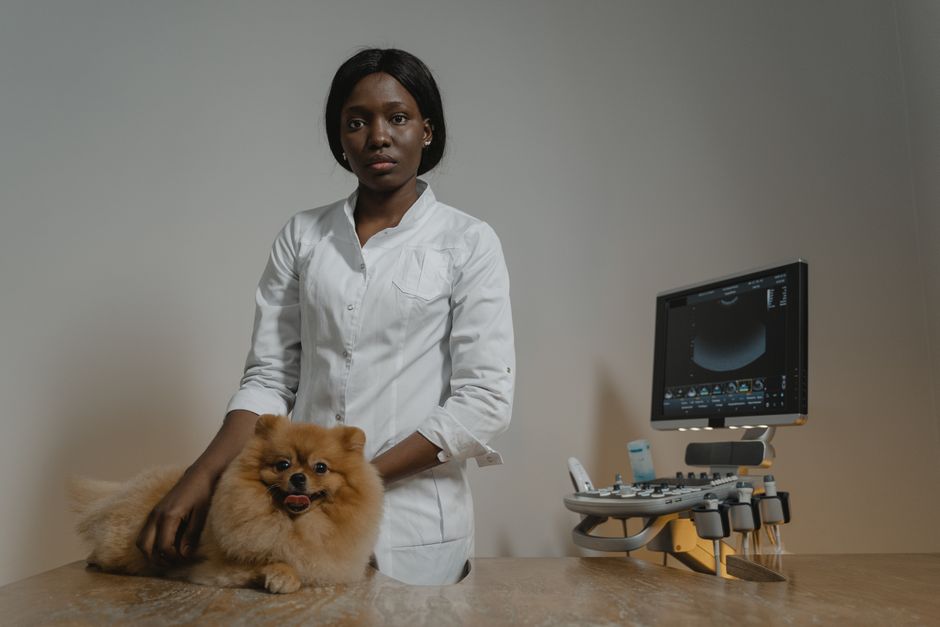
If your veterinarian determines that advanced imaging is necessary, the process begins with an in-home visit from Mobile Pet Imaging’s veterinary imaging team. One major advantage of mobile advanced pet imaging in Monroe, Miami-Dade, Broward, Palm Beach, Orange, and Tampa area is the significant reduction in stress for pets who might feel anxious in a traditional clinic setting. Your pet can remain in familiar surroundings, which helps to minimize fear and allows our veterinary professionals to focus on compassionate, one-on-one care.
During the visit, the veterinary team will review your pet’s medical history and symptoms. Depending on the findings, they may recommend a CT scan, fluoroscopy, or in some cases, a minimally invasive procedure such as a fine needle aspirate to collect a sample for further testing. CT scans create high-resolution, cross-sectional images of your pet’s body, making it possible to evaluate the size, location, and nature of internal abnormalities. Fluoroscopy, on the other hand, is particularly useful for real-time evaluation of swallowing disorders, airway issues, or gastrointestinal movement.
The imaging process itself is non-invasive, and most pets tolerate it very well. Sedation may be used to keep your pet still and comfortable during the scan. Images are interpreted by board-certified veterinary radiologists, who provide a detailed report to your referring veterinarian. This collaborative approach helps ensure the most accurate diagnosis and guides the next steps in your pet’s treatment plan. For a deeper look at these services, explore our dedicated pages on CT scans and fluoroscopies.
Supporting Your Pet at Home and Preventing Advanced Disease
While advanced imaging is invaluable for diagnosing unexplained pet symptoms, there are steps you can take at home to monitor your pet’s health and potentially prevent certain issues from going unnoticed. Regular observation of your pet’s habits, appetite, and energy levels is essential. Early recognition of subtle changes—such as minor limping, increased thirst, or changes in bathroom habits—can help you seek veterinary guidance before symptoms become severe.
Providing a safe environment, keeping toxic substances out of reach, and maintaining routine veterinary checkups all play a role in minimizing health risks. If your pet is recovering from a chronic illness or has a history of unexplained symptoms, ongoing communication with your primary veterinarian is vital. Mobile Pet Imaging works closely with local veterinarians in Monroe, Miami-Dade, Broward, Palm Beach, Orange, and Tampa area and surrounding communities, offering advanced pet imaging in Monroe, Miami-Dade, Broward, Palm Beach, Orange, and Tampa area to support early detection and tailored treatment plans.
For pets with chronic conditions, periodic advanced imaging may be recommended to monitor progression or response to therapy. If your veterinarian suggests a follow-up scan, our mobile team can coordinate the visit so your pet receives consistent, compassionate care at home.
When to Seek Veterinary Imaging for Your Pet
Knowing when to take the next step and pursue advanced imaging can be challenging. If you notice persistent or worsening symptoms—such as ongoing vomiting, severe pain, difficulty breathing, sudden changes in mobility, or unexplained weight loss—it is crucial to reach out to your veterinarian promptly. In some cases, immediate imaging may be necessary to rule out serious conditions like internal bleeding, tumors, or organ failure.
If your pet’s symptoms have not improved with standard treatments, or if initial diagnostics have failed to provide clear answers, advanced imaging may be the key to finding a diagnosis. Miami-area pet owners searching for a "mobile veterinarian near me" or "mobile imaging vet near me" can benefit from the convenience and personalized approach of in-home diagnostics. Remember that only a licensed veterinarian can determine when advanced imaging is appropriate; never delay seeking care if you are concerned for your pet’s wellbeing.
To help you decide when to reach out for mobile imaging, we offer detailed guidance on when to contact Mobile Pet Imaging for advanced diagnostic imaging for your pet. Always prioritize your pet’s comfort and safety, and consult your veterinary team for individualized advice.
Compassionate, Convenient Care for Miami Pets—Right in Your Home
Facing unexplained pet symptoms can be a stressful experience, but you do not have to navigate it alone. With Mobile Pet Imaging, advanced pet imaging in Monroe, Miami-Dade, Broward, Palm Beach, Orange, and Tampa area is available in the comfort of your own home, reducing anxiety for both pets and their families. Our mobile veterinary professionals serve Miami and surrounding communities, providing CT scans, fluoroscopies, and more with a focus on compassionate, personalized care.
If you are searching for a "mobile vet near me" or need advanced imaging without the hassle of traveling to a clinic, we invite you to contact us for more information. Our team will work closely with your primary veterinarian to ensure a seamless experience and the highest standard of care for your pet. Discover more about our comprehensive imaging services or reach out today by calling (305) 733-0673 to schedule a visit.
Your pet’s health and comfort are our top priorities. With our mobile advanced pet imaging in Monroe, Miami-Dade, Broward, Palm Beach, Orange, and Tampa area, you can feel confident that answers—and solutions—are close to home. Always consult your veterinarian if you have concerns about your pet’s symptoms, and let us help you provide the best possible care for your furry family member.
This article is for informational purposes only and should not replace professional veterinary advice. If your pet is experiencing urgent or worsening symptoms, contact your veterinarian or emergency services immediately.