
Does Your Pet Need Mobile CT or Fluoroscopy in Miami?

Does Your Pet Need Mobile CT or Fluoroscopy in Miami?
When your pet faces a health concern that just does not have a clear answer, it can be both stressful and overwhelming. As a devoted pet owner in Monroe, Miami-Dade, Broward, Palm Beach, Orange, and Tampa area, you want the best for your furry companion, but sometimes the thought of bringing your pet to a specialty hospital for advanced imaging like CT scans or fluoroscopy creates its own set of worries. That is where Mobile Pet Imaging, based at 12968 Southwest 132nd Avenue, Miami, FL, comes in. Our mobile veterinary imaging service brings hospital-grade diagnostic tools right to your doorstep, delivering the clarity and comfort your pet needs for a healthy future—all in the familiar environment of your home.
In this blog, we will explore common situations that may require advanced imaging for pets, help you recognize signs that might indicate your pet could benefit from a CT scan or fluoroscopy, and explain how our mobile team supports pets across Monroe, Miami-Dade, Broward, Palm Beach, Orange, and Tampa area and surrounding communities. We will also clarify the process, discuss what you can expect during an in-home imaging visit, and share actionable steps to help you support your pet’s health every step of the way. If you are wondering whether advanced mobile imaging is right for your pet, you are in the right place.
Recognizing When Your Pet Might Need Advanced Imaging
It is not always obvious when a pet needs more than a routine check-up. Many health issues present with subtle or confusing symptoms, making it difficult for pet owners to know when advanced diagnostics like CT scans or fluoroscopy are needed. Key indicators can include persistent lameness that does not respond to rest, unexplained weight loss, ongoing coughing or difficulty breathing, chronic nasal discharge, or recurrent digestive problems such as vomiting or diarrhea that do not resolve with standard treatments. Other signs to watch for are sudden changes in behavior, unexplained pain, or neurological symptoms, including seizures or trouble walking.
For example, if your dog has experienced multiple episodes of vomiting and your veterinarian cannot pinpoint the cause through bloodwork and X-rays, a CT scan might be recommended to look for hidden obstructions or masses. Similarly, a cat with ongoing respiratory issues that do not improve with medication may benefit from fluoroscopy to evaluate airway function in real time. When these types of ongoing or mysterious problems arise, advanced imaging provides the detailed answers your primary veterinarian needs to develop an effective treatment plan.
If you are unsure whether your pet’s symptoms warrant advanced imaging, our Frequently Asked Questions about Mobile Pet Imaging page offers more insight into what imaging can reveal and when it may be recommended.
Understanding the Causes and When Imaging is Necessary
There are several reasons why pets may require advanced imaging such as CT scans or fluoroscopy. Many medical conditions are either hidden from view or too complex to diagnose with traditional X-rays or ultrasounds. These include issues like tumors, nasal or sinus diseases, orthopedic injuries, complex dental problems, and certain heart or lung conditions. In some cases, congenital abnormalities or birth defects may be suspected, and cross-sectional imaging is the only way to fully understand the structure and function of affected organs or tissues.
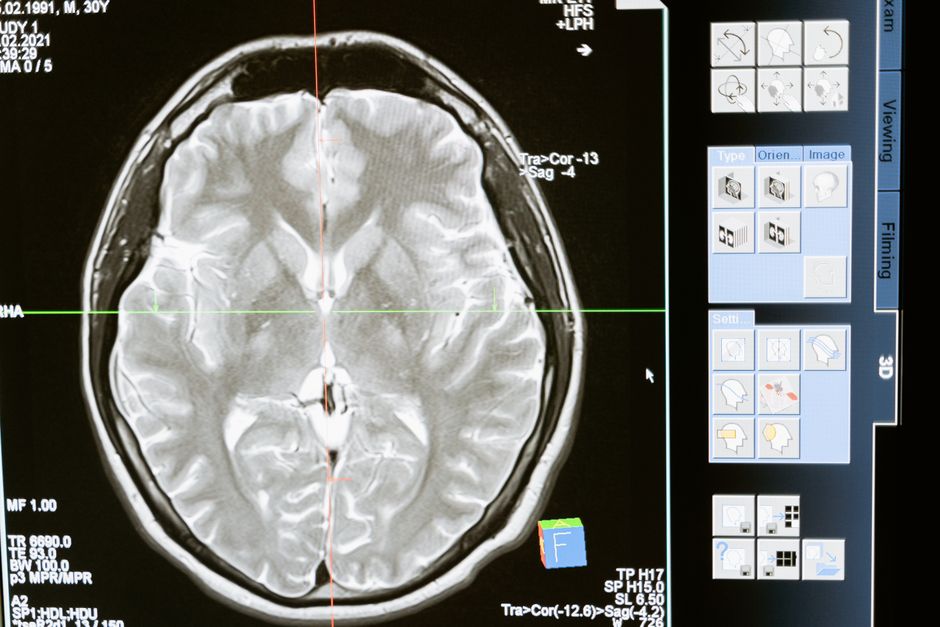
CT scans are especially useful for evaluating the head, spine, chest, or abdomen when conventional diagnostics are inconclusive. They offer high-resolution, three-dimensional images that can detect tumors, fractures, or internal injuries that are not visible with other tools. Fluoroscopy, on the other hand, provides real-time moving images—making it ideal for assessing swallowing disorders, dynamic airway issues, or joint function during motion.
Sometimes, your primary veterinarian will recommend advanced imaging after initial tests have not provided a clear diagnosis. Other times, a specialist may request images to plan for surgery or targeted treatments. In all these situations, mobile imaging offers the convenience of in-home diagnostics without the stress of transporting your pet to a referral hospital.
To understand more about the differences between CT and other imaging methods, you can review our visual guide to CT scans for pets, which breaks down how these technologies work and what they can reveal about your pet’s health.
What to Expect with Mobile CT and Fluoroscopy
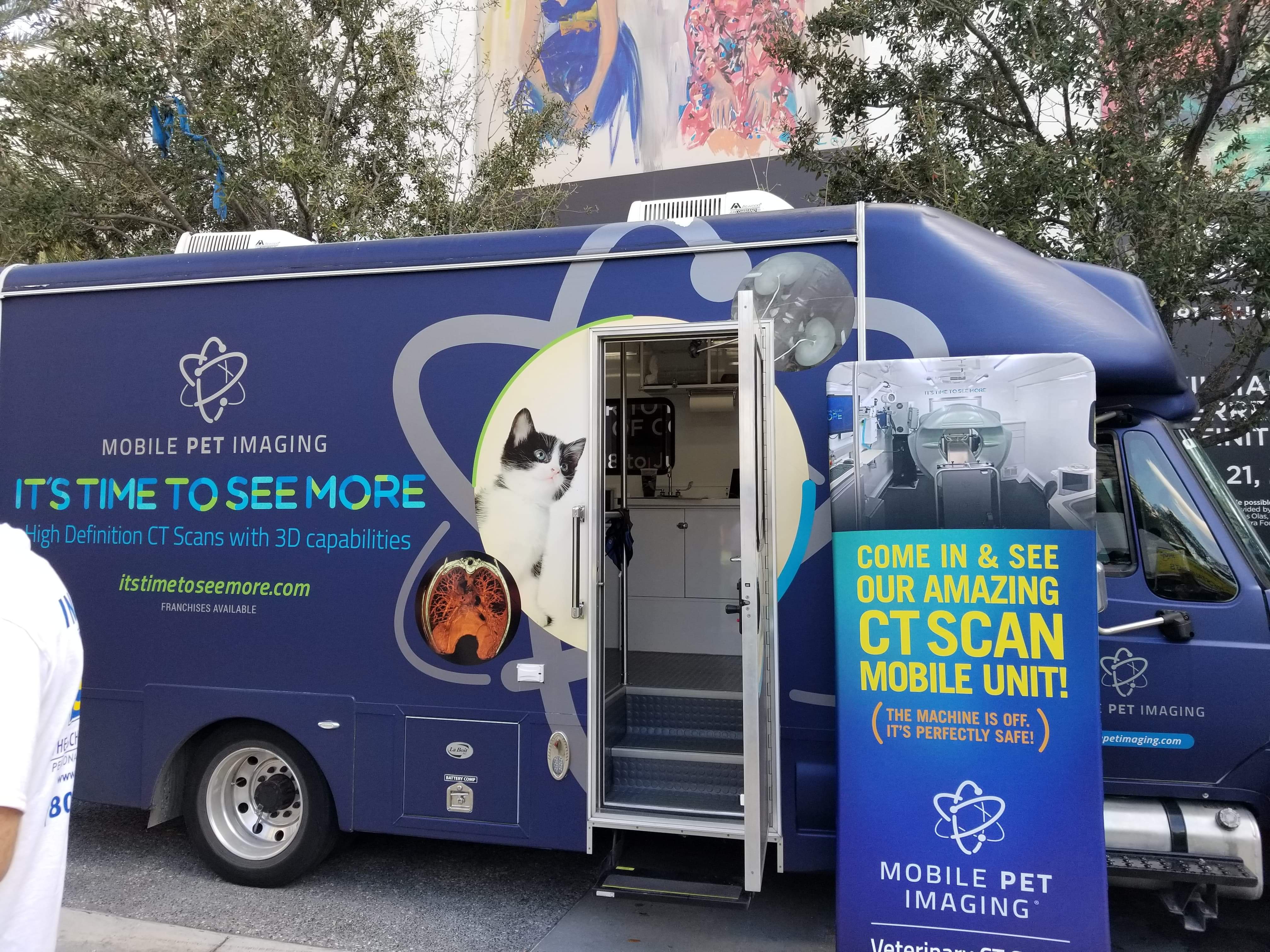
When you choose Mobile Pet Imaging for your pet’s diagnostics, you receive personalized care from a dedicated team of veterinary professionals who understand the unique needs of animals in a home setting. The process begins with a discussion between you, your primary veterinarian, and our imaging team to determine the most appropriate diagnostic approach. Once imaging is scheduled, our mobile unit arrives at your home, equipped with the same state-of-the-art CT and fluoroscopy technology found in specialty veterinary hospitals.
During the visit, your pet is gently prepared for imaging in a familiar environment, which reduces anxiety and allows for more accurate results. Sedation or anesthesia may be administered if necessary to ensure your pet remains comfortable and still during the procedure. The imaging itself is performed efficiently, and our team monitors your pet closely throughout the process. Detailed images are then shared with your veterinarian, who interprets the results and discusses the next steps for your pet’s care.
CT scans and fluoroscopy are invaluable for diagnosing conditions that cannot be detected through standard exams. For instance, if your cat is struggling with chronic nasal discharge and standard treatments have not helped, a CT scan may reveal a hidden polyp or infection deep within the nasal passages. Similarly, fluoroscopy can help determine if a swallowing problem is due to a structural abnormality or a functional disorder.
To learn more about the specific imaging services we offer, including the benefits and considerations of each, visit our pet CT scan services page or our fluoroscopy services page.
Supporting Your Pet’s Health at Home
While advanced imaging is a powerful tool, there are steps you can take at home to support your pet’s well-being and help your veterinarian gather important information. Monitoring your pet closely for any changes in appetite, behavior, or routine can provide valuable clues. Keeping a daily log of symptoms, such as when coughing occurs or how often your pet is limping, can assist your veterinarian in identifying patterns that may point to an underlying issue.
Ensuring your pet receives regular veterinary check-ups is another important part of preventive care. If your veterinarian recommends advanced diagnostics, following through quickly can make a significant difference in your pet’s outcome. Additionally, minimizing stress for your pet during the diagnostic process—by choosing in-home imaging when possible—helps keep your pet calm and comfortable, leading to more accurate results.
If your veterinarian suggests a fine needle aspirate to obtain a sample for diagnosis, our team can also assist with this procedure during a mobile imaging appointment. Learn more about fine needle aspirates and how they are used in pet diagnostics.
When to Seek Mobile Imaging for Your Pet
It is important to recognize when your pet’s symptoms go beyond what can be managed with routine care or standard diagnostics. If your pet has ongoing symptoms that do not improve with treatment, sudden changes in health that have no clear cause, or if your veterinarian has recommended further testing after inconclusive results, advanced imaging may be necessary. Conditions such as unexplained pain, persistent coughing, difficulty breathing, sudden neurological symptoms, or chronic digestive issues should always be evaluated thoroughly.
Do not hesitate to reach out if your pet is experiencing symptoms that worry you, especially if your veterinarian has suggested that advanced diagnostics may be beneficial. Our guidelines for when to contact Mobile Pet Imaging can help you determine the right time to schedule an in-home visit.
Always consult with your primary veterinarian before pursuing advanced imaging, as they play a key role in directing your pet’s care and interpreting results. Advanced imaging is not a substitute for regular veterinary visits but rather a tool that supports your veterinarian’s ability to diagnose and treat complex conditions.
Bringing Advanced Imaging Home: The Miami Difference
Mobile Pet Imaging is proud to serve Miami and surrounding communities with a commitment to compassionate, high-quality care delivered right to your front door. By choosing in-home advanced imaging for your pet, you reduce the stress of transportation, minimize exposure to unfamiliar environments, and allow for a more comfortable, accurate diagnostic experience. Our team of veterinary professionals is dedicated to working closely with your primary veterinarian to ensure your pet receives the answers they need for optimal health.
If you are searching for a mobile vet near me in Monroe, Miami-Dade, Broward, Palm Beach, Orange, and Tampa area, or if you want to know whether advanced imaging could benefit your pet, we are here to help. Schedule a consultation or request more information by calling (305) 733-0673, and let our experienced veterinary team bring clarity and comfort to your pet’s health journey. For detailed information about our services, including what to expect during a mobile imaging appointment, explore our FAQ page.
Your pet’s health and happiness are our top priority. With Mobile Pet Imaging, you can rest assured that advanced diagnostics are always within reach—right at home in Miami.