
When Should Your Pet Get Diagnostic Imaging?

When Should Your Pet Get Diagnostic Imaging?
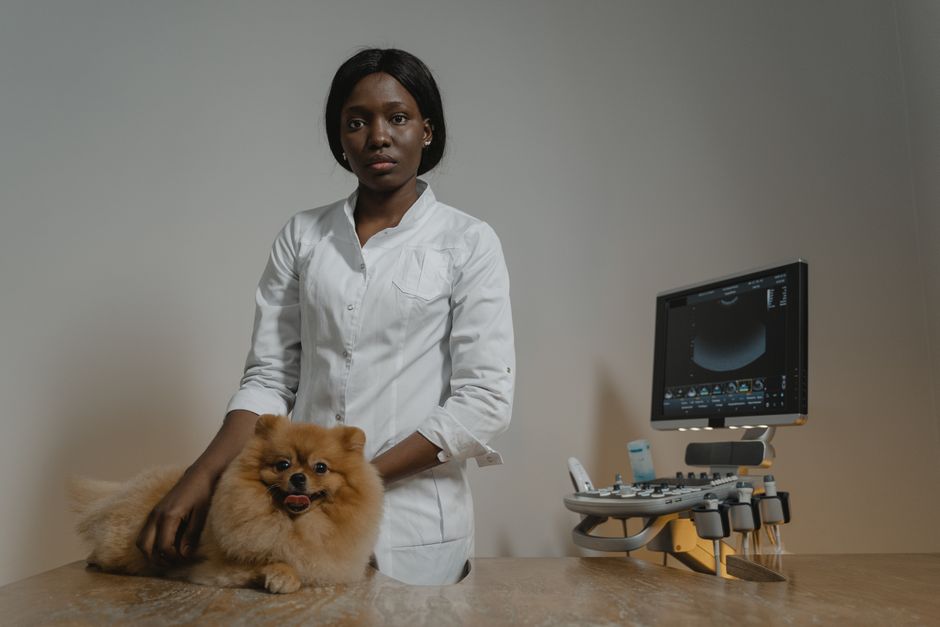
If you've ever wondered whether your dog or cat needs advanced diagnostic imaging, you're not alone. Many pet owners in Miami and the surrounding communities find themselves questioning when a CT scan or similar imaging is truly necessary for their beloved companion. At Mobile Pet Imaging, we understand that getting answers about your pet’s health is a top priority. That's why our mobile team brings state-of-the-art pet diagnostic imaging directly to your veterinary clinic, making the process as convenient and stress-free as possible for both you and your pet. In this blog, we’ll guide you through the signs that might indicate your pet needs imaging, explain what conditions lead veterinarians to recommend these services, and discuss how the convenience of mobile imaging transforms the experience for Miami’s pets and their families.
Whether your veterinarian has mentioned a possible CT scan or you’re simply curious about how these tools work, we’re here to clarify the reasons behind pet diagnostic imaging. We’ll cover everything from the symptoms that prompt imaging to the benefits of advanced technology in uncovering hidden health issues. Plus, we’ll share how Mobile Pet Imaging’s in-home approach supports both veterinary teams and pet owners throughout the Miami area. For a deeper understanding of specific imaging services, you can visit our page on comprehensive veterinary imaging services.
Recognizing When Your Pet May Need Diagnostic Imaging
As a pet owner, it’s natural to wonder when your dog or cat’s symptoms warrant more than just a physical examination. Pet diagnostic imaging plays a vital role in uncovering what’s happening inside your pet’s body when outward signs don’t tell the whole story. While some conditions are obvious, others develop quietly, making advanced imaging the key to early detection and effective treatment.
Common Signs That May Require Imaging
There are several situations where your veterinarian might recommend imaging. For instance, persistent limping, unexplained pain, or swelling that doesn’t resolve can all signal underlying orthopedic problems. Additionally, if your pet is experiencing chronic vomiting, diarrhea, or weight loss, imaging may help your veterinary team investigate issues like gastrointestinal blockages or organ abnormalities. Other warning signs include sudden changes in breathing, coughing, or unexplained neurological symptoms such as seizures or loss of balance. When physical exams and routine blood work do not provide clear answers, diagnostic imaging can help pinpoint the cause of your pet’s discomfort.
It’s important to remember that every pet is unique, and symptoms can vary. If you notice your pet acting differently, even subtle changes could indicate a deeper issue. Your veterinarian may recommend imaging to rule out serious conditions or confirm a suspected diagnosis, ensuring your pet receives the most appropriate care. For more details on what conditions imaging can help identify, our CT scans information page offers a closer look at the benefits of this advanced technology.
Why Do Pets Need Diagnostic Imaging? Understanding the Causes
Veterinarians rely on pet diagnostic imaging for many reasons. This technology provides detailed views of your pet’s bones, organs, and soft tissues—areas that cannot be fully assessed through a physical exam alone. In many cases, your veterinarian may suspect an internal problem based on outward symptoms, but advanced imaging is needed to confirm or clarify the diagnosis.
Conditions Diagnosed with Imaging
Pet diagnostic imaging is often used to investigate suspected tumors or masses, check for fractures or joint issues, and evaluate internal organs for signs of disease. For example, a CT scan can reveal hidden dental disease, nasal tumors, or complex orthopedic injuries that would otherwise go undetected. Similarly, imaging is invaluable for diagnosing neurological conditions such as intervertebral disc disease or brain lesions, especially in pets showing signs like sudden weakness or seizures.
Some conditions require imaging to develop a treatment plan. If your dog or cat needs surgery, imaging helps the veterinary team map out the procedure and minimize risks. For chronic health issues, such as unexplained respiratory problems, imaging allows veterinarians to see inside the chest or abdomen, guiding them to the most effective therapies.
How Diagnostic Imaging Works for Pets
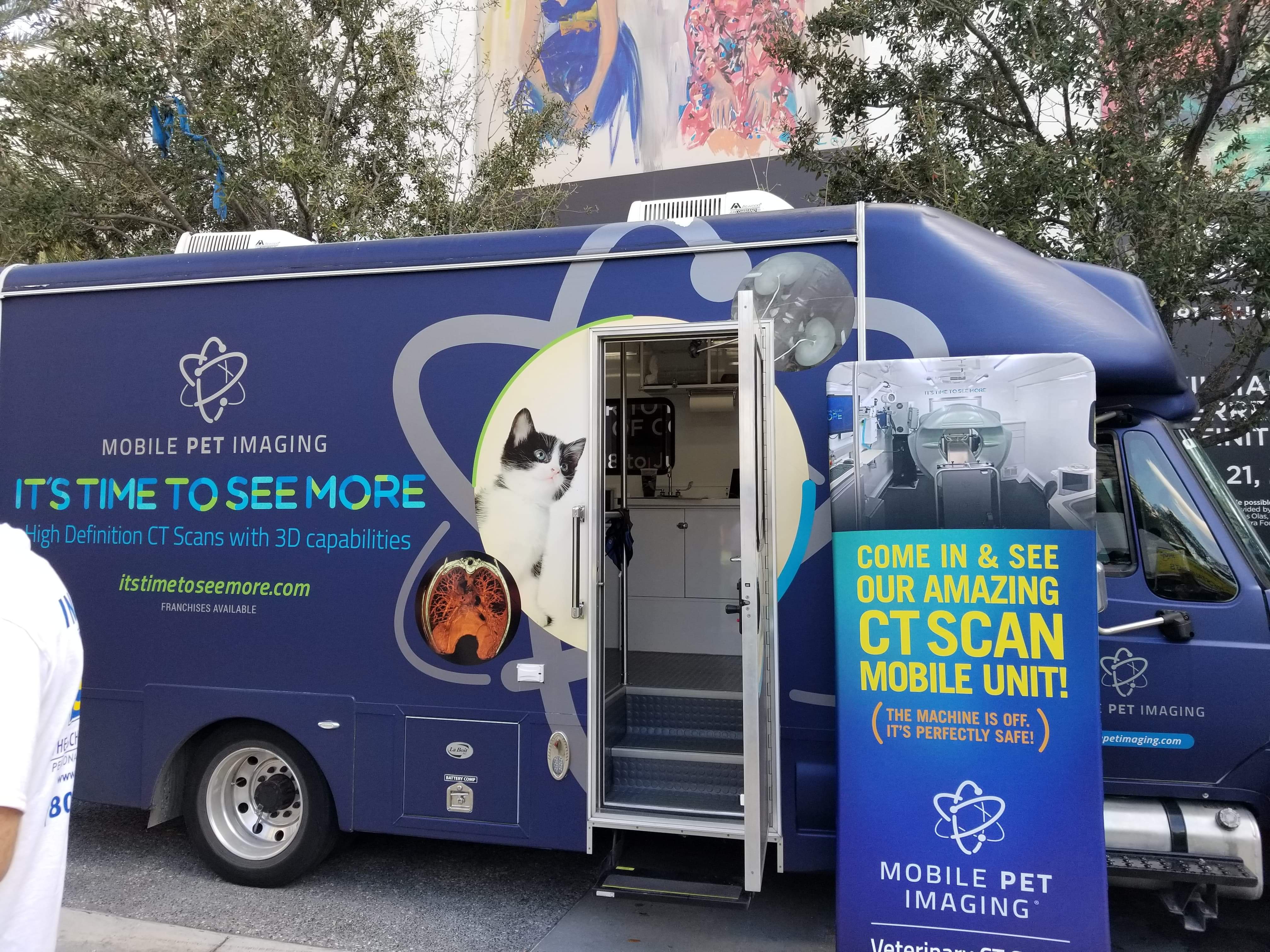
If your veterinarian recommends diagnostic imaging, you might wonder what the process involves. At Mobile Pet Imaging, our in-home mobile imaging services mean that your pet can often receive advanced diagnostics without the stress of traveling to a specialty center, as we bring our technology directly to your veterinary clinic.
Types of Imaging Available
The main types of pet diagnostic imaging include CT scans, fluoroscopy, and fine needle aspirates. CT scans provide three-dimensional, highly detailed images that help identify issues affecting organs, bones, and soft tissues. Fluoroscopy offers real-time imaging that is especially useful for evaluating movement within the body, such as swallowing or breathing. Fine needle aspirates allow for minimally invasive sampling of cells from lumps or organs, aiding in the diagnosis of cancer or infection. Each of these tools offers unique advantages, allowing your veterinary team to select the best approach for your pet’s specific needs. You can learn more about our fluoroscopy services and how they support complex diagnoses.
The Mobile Advantage: Stress-Free Home Visits
One of the greatest benefits of choosing Mobile Pet Imaging is our commitment to providing care in the comfort of your local veterinary clinic. Our mobile team works closely with your primary veterinarian, eliminating the need for stressful car rides or unfamiliar environments for your pet. This not only reduces anxiety for dogs and cats but also ensures that you receive timely results and a coordinated treatment plan. Our advanced mobile equipment is designed to deliver the same high-quality imaging you’d expect from a specialty center, right at your regular clinic.
What to Expect During and After Your Pet’s Imaging Appointment
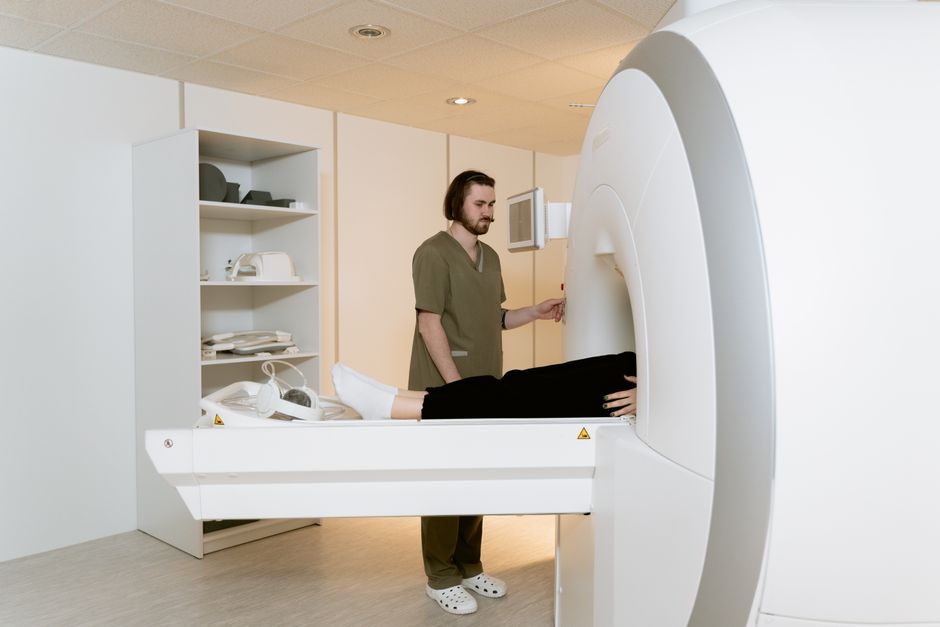
Understanding what happens before, during, and after a pet diagnostic imaging appointment can help you feel more at ease about your pet’s care. Most diagnostic imaging procedures are quick and minimally invasive. Your veterinarian and the Mobile Pet Imaging team will explain the process and answer any questions you may have before proceeding.
Preparing Your Pet for Imaging
In many cases, your pet may need to fast for a few hours before certain imaging procedures, especially if sedation is required. The veterinary team will provide specific instructions based on the imaging type and your pet’s individual health needs. During the procedure, your pet will be monitored closely to ensure their comfort and safety at all times.
After the Procedure
Once imaging is complete, results are typically reviewed by your veterinarian and a board-certified radiologist. The findings allow your veterinary team to confirm a diagnosis, rule out concerns, or decide if further testing is needed. In most cases, your pet will be able to go home the same day and return to their normal routine with little to no downtime. For a visual overview of what to expect, our visual guide to CTs can help you prepare.
Preventive Benefits and Home Care for Pet Owners
Pet diagnostic imaging is not only a powerful tool for diagnosing illness but also for early detection and prevention. Routine imaging can uncover developing issues before symptoms appear, especially in pets with chronic conditions or breeds prone to certain diseases. Your veterinarian may recommend periodic imaging to monitor specific health concerns, track recovery from injury, or screen for breed-specific risks.
At home, keeping a close eye on your pet’s behavior and health is the first step in prevention. Regular veterinary checkups, combined with prompt attention to new or unusual symptoms, help ensure that any problems are caught early. If your vet suggests imaging, following their recommendations gives your pet the best chance for a healthy outcome.
When Should You Seek Veterinary Care for Imaging?
It’s always better to err on the side of caution when it comes to your pet’s health. If you notice symptoms like persistent lameness, unexplained swelling, difficulty breathing, seizures, or sudden changes in appetite or energy, reach out to your veterinarian right away. While some issues can be managed with medication or rest, others may require immediate imaging to assess severity and plan treatment.
Mobile Pet Imaging partners directly with your local veterinary clinic to make the imaging process as convenient as possible. If your veterinarian recommends advanced diagnostics, our mobile team will coordinate with them to bring imaging services to your clinic, minimizing stress for your pet. For more information on when to consider imaging, our guide to when to call Mobile Pet Imaging is a helpful resource.
If you’re searching for a mobile vet near me who provides diagnostic imaging, remember that in the Miami area, Mobile Pet Imaging is dedicated to making advanced care accessible and stress-free for your pet.
Trust Mobile Pet Imaging for Your Pet’s Diagnostic Needs
When it comes to your dog or cat’s health, timely and accurate diagnosis is essential. Pet diagnostic imaging gives you and your veterinarian the answers you need, often making the difference between early intervention and delayed care. At Mobile Pet Imaging, we believe that every pet deserves access to the best technology without the added stress of travel or unfamiliar environments. Our experienced veterinary team is proud to serve Miami and the surrounding communities, delivering seamless imaging services right to your clinic.
If your veterinarian has recommended imaging—or if you’re concerned about your pet’s symptoms and want to explore your options—don’t hesitate to ask about our mobile services. For more information on our full range of offerings, visit our comprehensive imaging services page or call (305) 733-0673 to speak with our veterinary professionals. You can also find us at 12968 Southwest 132nd Avenue, Miami, FL.
Your pet’s comfort and wellbeing are our top priorities. With Mobile Pet Imaging, you can trust that advanced pet diagnostic imaging is always within reach—right here in Miami.
Medical disclaimer: This blog is for informational purposes only and is not a substitute for professional veterinary advice. Always consult your veterinarian for concerns about your pet’s health or before pursuing any diagnostic procedures.